Cwave USVI PoC Solutions
- Nationwide/Global Range: As long as there is cellular coverage, users can communicate instantly across cities, states, or even countries without the need for expensive towers or repeaters.
- Instant Communication: You press a dedicated PTT button to speak immediately. There is no dialing required, unlike a standard phone call.
- Extra Capabilities: Because they operate on cellular networks, many models also support GPS tracking, text messaging, and sometimes video calling.
Why POC In the USVI is The Most Logical Solution!
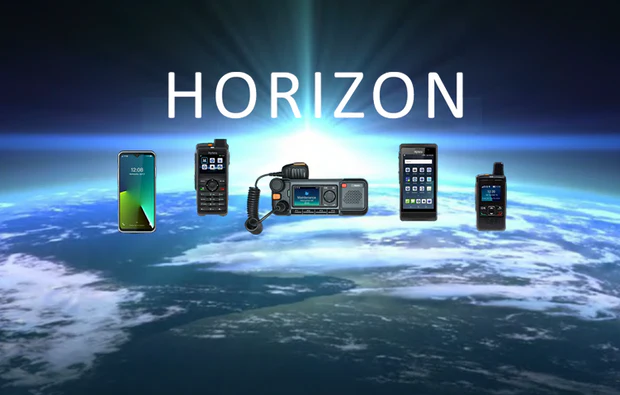
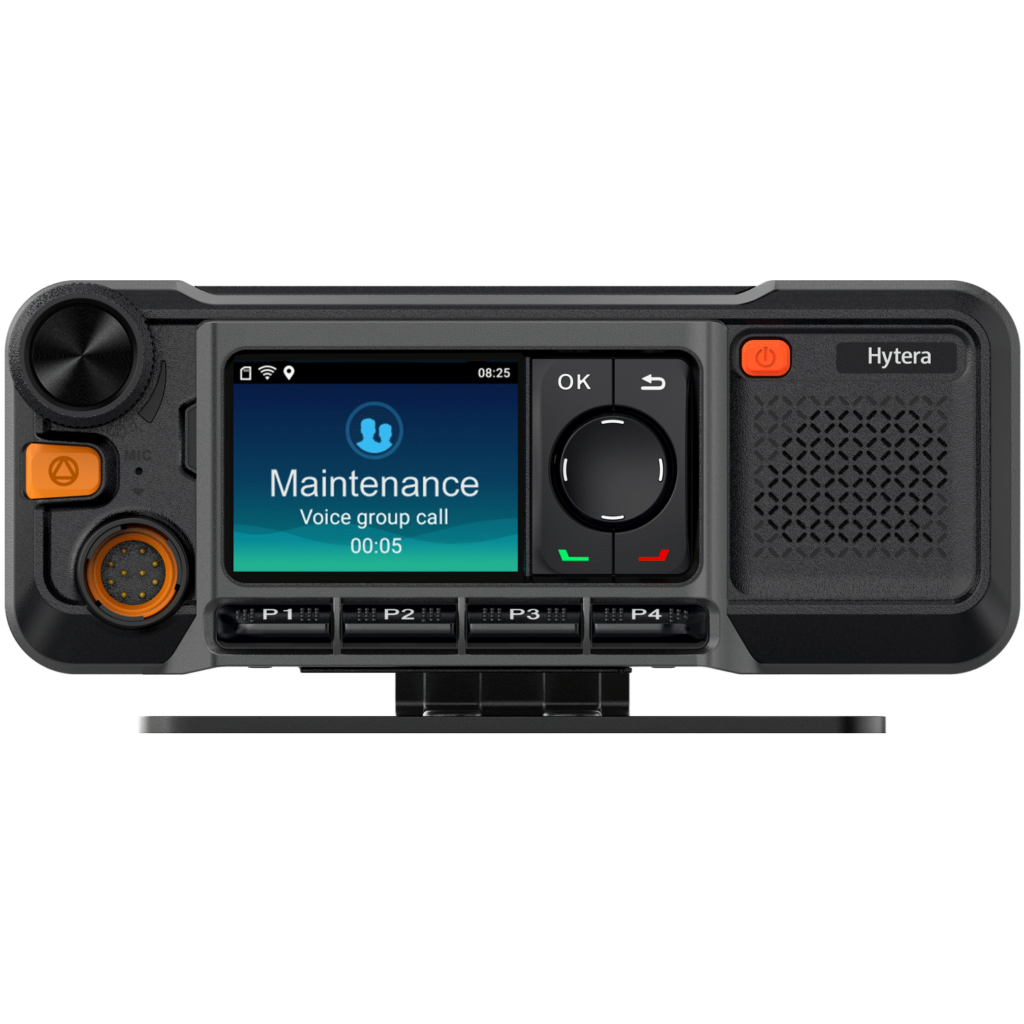
Using Push-to-Talk over Cellular (PoC) radios—specifically from a commercial manufacturer like Hytera—in the U.S. Virgin Islands (USVI) offers massive strategic advantages over traditional Land Mobile Radio (LMR) systems or consumer-grade gear.
Whether for private security, commercial operations, or emergency coordination, the unique geography, infrastructure challenges, and environmental conditions of the Caribbean make PoC an incredibly resilient choice.
Here is why Hytera PoC radios are uniquely suited for the USVI:
1. Overcoming Terrain and Eliminating Repeaters
The topography of the USVI (especially St. Thomas and St. John) is notoriously volcanic, steep, and mountainous.
The Traditional Problem: Standard VHF/UHF or DMR radios require a massive, expensive network of repeaters on high peaks to achieve island-wide coverage. Even then, deep valleys and dense foliage create severe dead zones.
The PoC Solution: PoC utilizes existing commercial cellular networks (LTE/4G/3G) and Wi-Fi. Instead of relying on a line-of-sight signal to a local repeater, your “repeater” is the entire cellular infrastructure. If there is cell coverage, you have instant, crystal-clear communication across the entire island, between islands (St. Croix to St. Thomas), and even back to the US mainland.
2. Cross-Island and Maritime Range
Operations in the USVI often bridge the gaps between St. Thomas, St. Croix, St. John, and Water Island.
Traditional two-way radios require massive tower elevation and high power to cross the 40 miles of open water between St. Thomas and St. Croix.
Hytera PoC radios treat that distance as non-existent. A team member on the docks in Charlotte Amalie can talk to a unit in Christiansted instantly with a single button press, completely bypassing the limitations of RF line-of-sight over water.
3. Infrastructure Resilience and Redundancy
The USVI is firmly in the hurricane belt, meaning infrastructure resilience is always top of mind. Hytera PoC hardware thrives here due to built-in redundancies:
Multi-Network Roaming: Hytera PoC devices often utilize eSIMs or dual-SIM capabilities that can seamlessly switch between local carriers (like Liberty VI and Viya). If one carrier’s tower goes down, the radio automatically hunts for the next available network.
Wi-Fi Integration: If a storm completely knocks out cellular towers but local businesses or facilities are running on satellite internet (like Starlink) and broadcasting Wi-Fi, Hytera PoC radios automatically route voice traffic over the Wi-Fi network.
4. Hardware Built for the Caribbean Environment
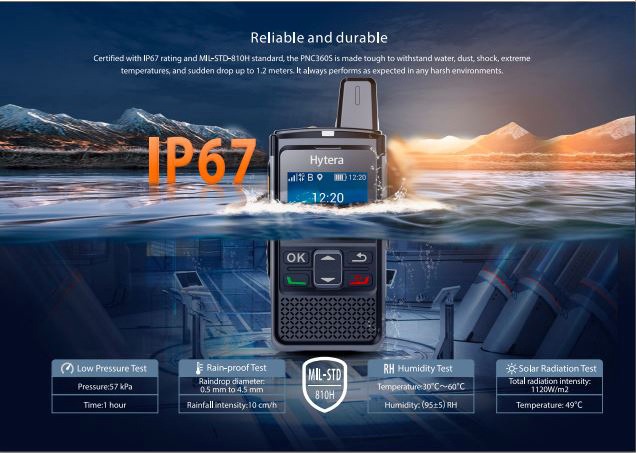
The Caribbean environment is brutal on electronics—high humidity, intense salt fog, sudden tropical downpours, and fine dust.
Consumer phones or cheap radios degrade quickly under these conditions.
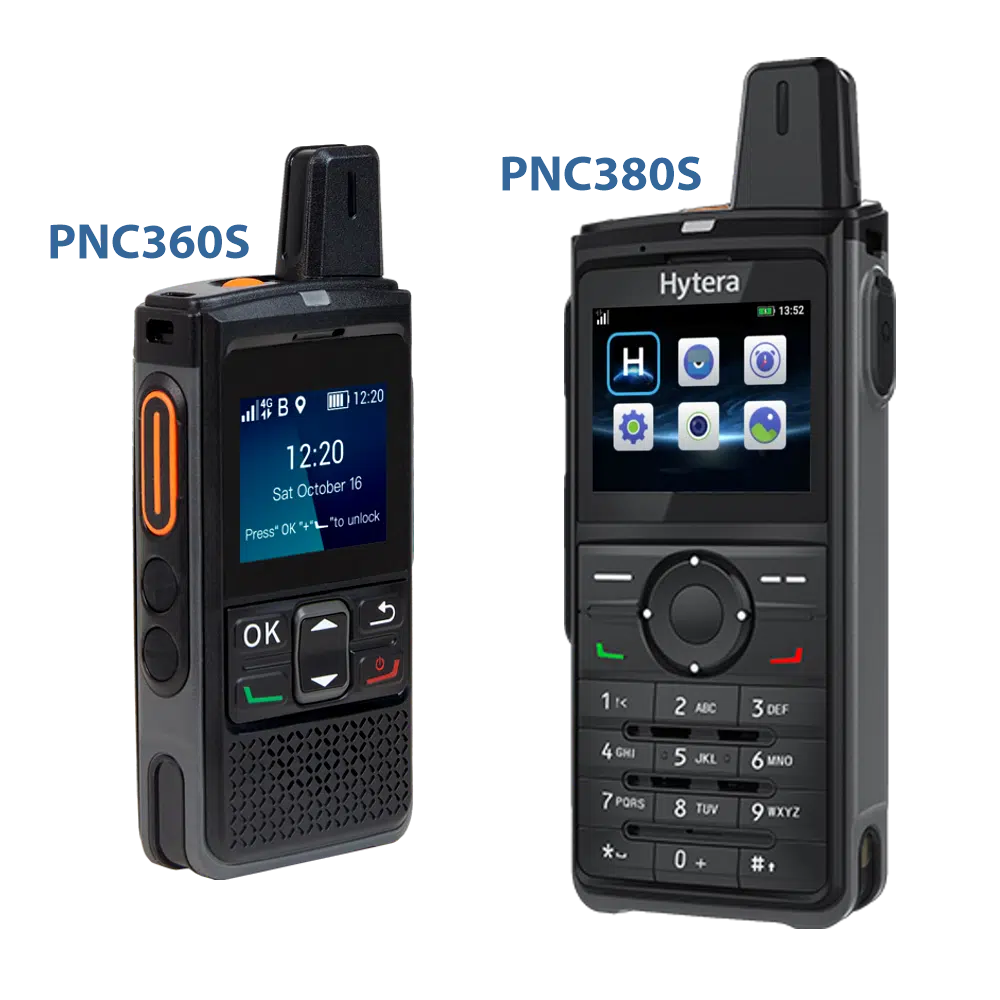
Hytera’s commercial PoC lineup (like the PNC360S or PNC380) features IP67 or IP68 ruggedization, meaning they are completely dust-tight and can handle submersion in water. They are built to military drop standards (MIL-STD-810G), ensuring they survive the daily grind of field operations, maritime environments, or disaster response.
5. Professional Fleet Management and Dispatch
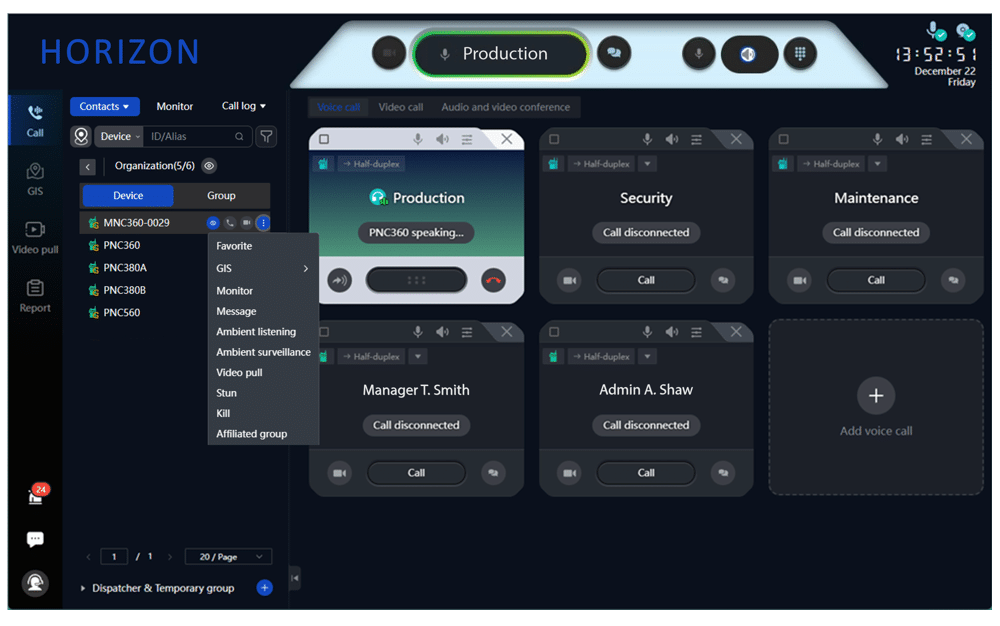
Unlike standard cell phones or basic consumer walkie-talkies, Hytera’s PoC ecosystem includes powerful dispatch and tracking capabilities:
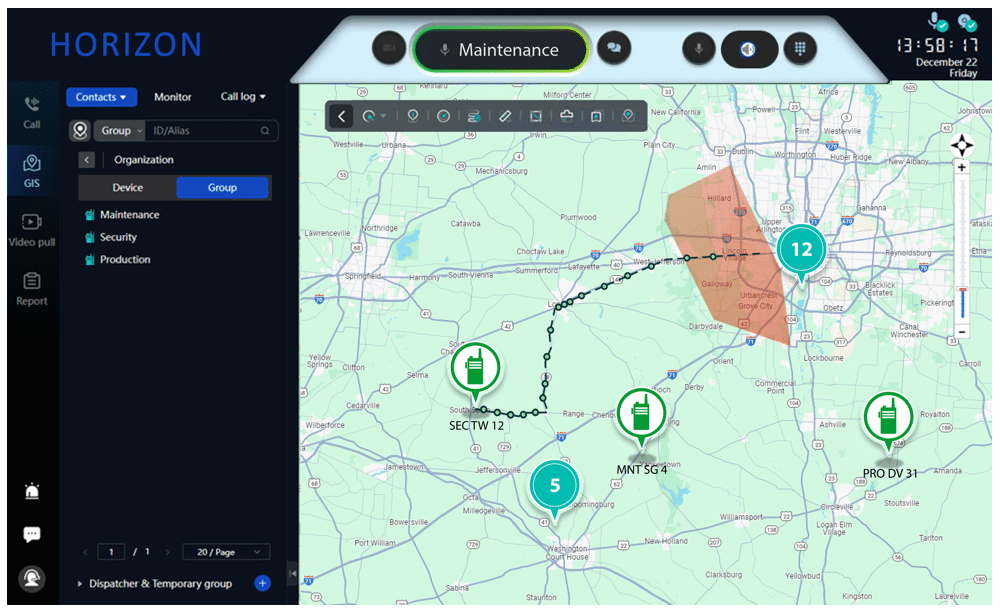
GPS Tracking: Dispatchers can see exactly where units are positioned across the islands in real-time, which is crucial for logistics, maritime tracking, or security deployment.
Instant Group Dynamic: You retain the classic, instantaneous “one-to-many” communication of a traditional radio. There is no dialing, no waiting for a phone to ring, and no dropped calls due to weak signal handshake protocols.
Emergency Features: Dedicated SOS buttons, Man-Down, and Lone Worker features ensure that if an operator is injured or isolated on a remote part of the island, assistance can be dispatched instantly to their exact GPS coordinates.
The Bottom Line
In the USVI, building out a private, island-wide RF radio network requires massive capital, FCC licensing, tower leasing, and constant maintenance against storm damage. Hytera PoC radios deliver instant, island-wide, and cross-oceanic coverage right out of the box by leveraging existing infrastructure, wrapped in a ruggedized package that can handle the Caribbean climate. It keeps communication simple, reliable, and incredibly scalable.