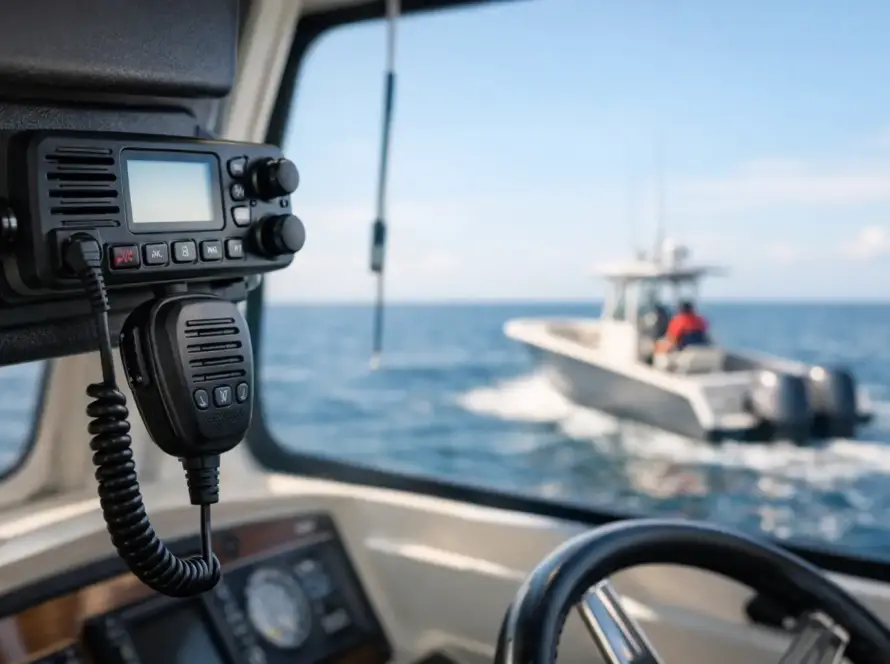
A radio that works fine in the shop can fail fast in salt air, heat, dust, and heavy daily use. That is why analog radio system maintenance matters long before a speaker goes quiet or coverage starts to break up. For organizations that rely on radio for operations, safety, dispatch, or coordination, maintenance is not a nice-to-have task. It is part of keeping the workday moving.
Analog systems are often valued for a reason – they are familiar, durable, and straightforward to operate. But simple does not mean maintenance-free. Mobile units loosen over time. Antennas take weather damage. Connectors corrode. Power supplies drift. Batteries weaken gradually, then all at once when the timing is worst. Most system issues do not begin as dramatic failures. They start as small performance losses that are easy to ignore until they affect coverage, audio quality, or reliability.
What analog radio system maintenance really covers
When people hear maintenance, they often think of bench repair after something breaks. In practice, analog radio system maintenance is broader than repair. It includes routine inspection, scheduled testing, preventive replacement of wear items, and system tuning to keep performance within expected ranges.
That may involve portable radios, mobile radios, base stations, repeaters, antennas, coax, power systems, chargers, microphones, and site hardware. It also includes the operating environment around the system. Moisture intrusion, unstable commercial power, poor grounding, or rooftop exposure can shorten equipment life even when the radios themselves are built well.
A good maintenance program also looks at how the system is being used. A hotel operations team, marine service crew, utility field unit, and public-sector department can all use analog radio, but their wear patterns are different. The right schedule depends on whether equipment is in vehicles all day, exposed to salt spray, shared across shifts, or installed at fixed sites with limited environmental protection.
Why problems build slowly, then hit all at once
Radio systems rarely fail on a convenient schedule. A base station may seem acceptable for months while receiver sensitivity drops little by little. A damaged antenna connection may still pass enough signal in clear conditions, then become a major problem during weather changes or at the edge of coverage. Batteries can support short calls for a while, then collapse during a long operational period.
This is one reason preventive maintenance often feels invisible when it is done well. You are not paying for a dramatic fix. You are avoiding the lost time, missed calls, and field confusion that happen when a weak point finally gives out.
For businesses and agencies in the U.S. Virgin Islands, environmental stress adds another layer. Salt exposure, humidity, heat, and storm-related power issues can all shorten maintenance intervals. A schedule that works on the mainland may not be enough for island conditions, especially for outdoor infrastructure or maritime-adjacent operations.
The components that deserve the closest attention
Batteries are one of the most common sources of poor field performance. Users often blame the radio when the real issue is declining battery capacity or charger inconsistency. Battery contacts also matter. Dirty or worn contacts can create intermittent power problems that look like larger equipment faults.
Antennas and feedlines are another frequent trouble area. Even a high-quality radio cannot perform well with a compromised antenna system. Cracked jackets, loose mounts, water intrusion, and corroded connectors can all reduce range and audio clarity. These issues are especially common in vehicle installs and rooftop environments.
Audio accessories deserve more attention than they usually get. Speaker microphones, earpieces, and headset connectors live a hard life. They are bent, dropped, tugged, and exposed to sweat, dust, and moisture. A radio may test correctly on the bench but still fail in daily use because the accessory chain is unreliable.
Repeaters and base stations need disciplined testing, not assumptions. Output power, receive sensitivity, frequency stability, and cooling performance should be checked on a schedule. Fans clog. Filters age. Power supplies weaken. Even if a site is operational, degraded performance can affect users far from the equipment room before anyone realizes the source.
How often should maintenance happen?
There is no single schedule that fits every system. The better approach is to match maintenance frequency to operational risk and environmental conditions. High-use fleets, hospitality operations, marine businesses, construction teams, and public-service environments usually need more frequent checks than lightly used office-based systems.
A practical baseline is routine user inspection, periodic technical inspection, and annual system-level testing. User inspection can be simple: checking battery condition, antenna security, charger function, and obvious damage. Technical inspection goes further, with performance testing, connector checks, accessory review, and installation verification. Annual system-level work is where larger issues are caught, especially at repeater sites and fixed infrastructure points.
If the system supports life safety, critical dispatch, or revenue-sensitive operations, annual testing may not be enough by itself. Semiannual service can be the better decision, particularly in harsh environments. The cost of additional inspection is usually far lower than the cost of communications failure during a busy period or emergency response.
Common maintenance mistakes
One common mistake is treating all radios the same. In reality, the units assigned to supervisors, drivers, dock crews, maintenance teams, or vessel operators may have very different wear patterns. A maintenance plan should reflect actual use, not just inventory count.
Another mistake is replacing handhelds while ignoring the infrastructure behind them. Organizations sometimes budget for new radios but defer antenna, coax, grounding, or repeater service. That can leave a newer fleet operating on top of an aging support system that limits performance.
There is also a tendency to wait for user complaints. That approach sounds efficient, but it creates blind spots. Users adapt to gradual degradation. They may stop reporting weak audio or dead spots if they assume it is normal. By the time complaints become consistent, the problem is often more expensive and more disruptive.
Documentation is another area where small gaps turn into larger ones. If no one is tracking programming versions, battery age, repair history, installation dates, or recurring faults, maintenance becomes reactive. Good records make it easier to spot patterns, retire problem units, and budget accurately for replacements.
What a strong service partner should be checking
A qualified maintenance provider should do more than swap parts. The value comes from verifying system performance against real operating needs. That includes testing transmitter and receiver performance, checking antenna systems, reviewing site conditions, evaluating power reliability, inspecting installation quality, and confirming that radios in the field still match the current operating plan.
They should also be able to tell you when repair is sensible and when replacement is the better investment. Some analog equipment can deliver years of dependable service with proper care. Other units become expensive to keep alive once parts availability, repeated failures, or compatibility limits start affecting operations.
In the Virgin Islands, local support can make a real difference because maintenance is not only about electronics. It is about response time, understanding the operating environment, and recognizing how terrain, weather, and infrastructure conditions affect system performance. That practical view is part of what organizations need when uptime matters.
Maintenance planning works best when it is tied to operations
The most effective analog radio system maintenance plans are built around business reality. If your peak season is approaching, inspection should happen before traffic increases. If crews depend on vehicle radios every day, mobile installs should be part of the routine, not an afterthought. If a repeater site is exposed to harsh weather, site hardening and inspection intervals need to reflect that risk.
This is also where maintenance and lifecycle planning meet. Not every issue should be solved with another repair ticket. Sometimes the better move is a phased replacement plan that keeps the current analog system stable while preparing for future changes in coverage, capacity, or interoperability.
For many organizations, analog remains the right fit for current needs. It is cost-effective, familiar, and proven. But it performs best when it is maintained with the same discipline applied to vehicles, generators, or network infrastructure. Communications equipment should not be treated as invisible until it fails.
Cwave Communications works with organizations that need systems to stay ready in real operating conditions, not just in ideal ones. That means maintenance should be practical, scheduled, and tied to uptime rather than guesswork.
The best time to service a radio system is when it still seems to be working, because that is when you have the most control over what happens next.