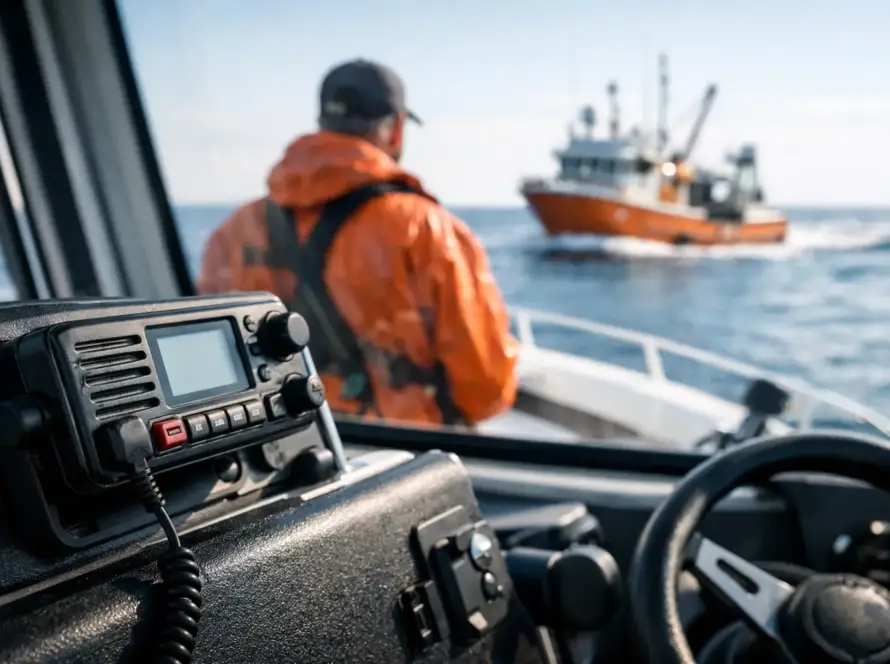
A radio system usually looks simple from the user side – press, talk, hear the reply. The hard part is everything underneath. Good dmr radio system design is not about choosing radios off a shelf. It is about building coverage, capacity, and reliability around the way your operation actually works, especially when teams are spread across buildings, roadways, shorelines, job sites, or multiple islands.
For many organizations, DMR makes sense because it delivers clear digital voice, efficient spectrum use, and room for features such as GPS, dispatch integration, telemetry, and text messaging. But those advantages only show up when the system is designed correctly. If the design is weak, users experience dead spots, busy channels, missed calls, and confusion about how to communicate when conditions change.
What good DMR radio system design starts with
The first mistake in many projects is starting with equipment instead of operations. Before anyone talks about repeaters, antennas, or subscriber units, the real question is what the radio system needs to support every day. A marina, utility team, school campus, transportation fleet, and public works department may all use DMR, but the design priorities are different for each one.
Some organizations need wide-area mobile coverage for vehicles moving across hilly terrain. Others need reliable in-building handheld coverage through reinforced concrete or metal structures. Some can tolerate a short delay or occasional retry. Others need communications to work the first time, every time, because radio traffic is tied directly to safety, dispatch, or continuity of operations.
That is why the early design phase should focus on user groups, geography, traffic patterns, and failure points. Who needs to talk to whom? Where do they work? Are calls mostly one-to-one, group-based, or dispatcher-led? Do teams stay on one site, or move between Saint Thomas, Saint John, and Saint Croix? A design that ignores those details may still function, but it will not perform well when the workload increases.
Coverage is the first real test
Coverage planning is where theory meets the terrain. On paper, a repeater site may appear to cover a large service area. In practice, hills, vegetation, concrete, metal roofing, waterfront reflections, and building density all affect signal behavior. That matters in the Virgin Islands, where elevation changes and coastal conditions can create very different results over short distances.
A proper coverage plan should account for both outdoor and indoor use. Mobile radios in vehicles often perform better than portable radios on a belt or carried inside a structure. If your workforce relies on handhelds, designing only for vehicle coverage will leave gaps where people actually work.
This is also where trade-offs become real. A single high site may offer impressive reach, but it may not solve in-building coverage in dense facilities. Additional sites can improve reliability, but they add cost, coordination, and maintenance requirements. There is no universal best answer. The right design balances desired coverage with budget, infrastructure access, and long-term serviceability.
Capacity matters more than many buyers expect
Coverage gets most of the attention, but capacity often becomes the bigger problem later. DMR uses time slots efficiently, which is one of its strengths, yet every system still has a practical limit. If too many users share the same resources, busy conditions show up fast.
A small business with a few talk groups may run comfortably on a simple configuration. A larger operation with dispatch, maintenance, security, transport, supervisors, and roaming field staff may need more planning around channel loading and talk group structure. The issue is not only how many radios are on the system. It is how many people need to talk at the same time, during the same window, on the same resources.
This is where disciplined programming and user policy matter. If every team is placed on a single main talk group, users create congestion for one another. If there are too many talk groups with no clear purpose, users get lost and critical calls are missed. Strong system design includes a communication plan that matches actual workflows, not just a feature list.
Site infrastructure can make or break performance
A DMR network is only as dependable as the infrastructure supporting it. Repeaters, duplexers, power systems, grounding, antennas, feedline quality, network backhaul, and environmental protection all matter. Weak infrastructure often causes the kind of intermittent failures that are hard to diagnose and frustrating for users.
Power is a good example. If a site loses commercial power and there is no proper battery backup or generator strategy, the radio system may fail when it is needed most. The same applies to poor grounding and surge protection in storm-prone environments. These are not optional extras. They are part of system design.
Backhaul deserves the same attention, especially in multi-site deployments. If sites are networked together, the transport path between them must be stable enough to support the application. Radio engineers and IT teams need to be aligned here. A well-designed radio layer can still underperform if the underlying network is inconsistent.
DMR radio system design should account for growth
One of the most common planning errors is building only for current headcount. Organizations change. Fleets expand, campuses add buildings, departments merge, and remote teams need tighter coordination. Good dmr radio system design leaves room for that growth without forcing a complete rebuild.
That may mean selecting infrastructure that can support additional repeaters, expanding to more sites later, reserving space in talk group planning, or choosing subscriber radios that can support future applications. Not every system needs advanced features on day one, but many benefit from a design that keeps those options open.
There is a budget side to this. Overbuilding a system can waste money. Underbuilding usually costs more later because the organization ends up replacing components, reprogramming users, or redesigning site architecture under pressure. The best path is usually phased planning – build what operations need now, while making sure the foundation will support the next stage.
Security, control, and interoperability
For many buyers, radio security means privacy. That matters, but it is only one part of the picture. System control, user permissions, programming discipline, and network management also affect security and reliability. If radios are poorly managed, unauthorized changes and inconsistent configurations can create both operational and administrative problems.
Interoperability is another area where design needs careful thought. Some organizations need DMR to coexist with legacy analog users during a transition. Others need dispatch integration, alarm notifications, GPS location, or connections into broader communications workflows. Those needs should be designed from the start, not bolted on later.
There is always a trade-off here too. More integration can improve visibility and coordination, but it can also increase system complexity. If the operation does not have the internal resources to manage that complexity, a simpler design may serve the business better.
Why field validation matters
Predictive planning is useful, but no serious system should rely on software models alone. Real-world testing is where assumptions get corrected. Coverage checks, audio quality testing, site verification, and post-install optimization are essential parts of a working deployment.
This is particularly true in environments where terrain and building conditions vary widely. A system can look fine in a planning model and still struggle in loading areas, stairwells, waterfront zones, mechanical rooms, or interior corridors. Field validation identifies those weak points before users do.
It also helps define realistic expectations. Not every environment will support perfect handheld coverage in every corner without significant infrastructure investment. Honest testing helps decision-makers choose where to invest and where alternate procedures may be acceptable.
The support plan is part of the design
A DMR system is not finished when installation ends. Batteries age, antennas degrade, connectors corrode, programming changes, and user needs shift. Systems that perform well over time usually have clear maintenance, monitoring, and lifecycle support behind them.
That support plan should include more than repair. It should address firmware management, spare units, codeplug control, battery replacement cycles, site inspections, and response procedures when problems appear. For organizations operating in demanding island conditions, local support and practical familiarity with the operating environment can make a noticeable difference in system uptime.
This is one reason many businesses and agencies prefer a communications partner that understands both radio and network infrastructure. DMR does not exist in isolation anymore. It often sits alongside IP networking, dispatch software, wireless connectivity, and operational technology that all need to work together.
Well-executed system planning is less about buying more equipment and more about reducing uncertainty. When the design matches the terrain, the workflow, and the service expectations, radio becomes what it should be – dependable, clear, and ready when your team needs it. If you are evaluating a new deployment or reassessing an aging one, the most useful place to start is not the catalog. It is the question your operation cannot afford to get wrong: what has to work, where, and under what conditions?