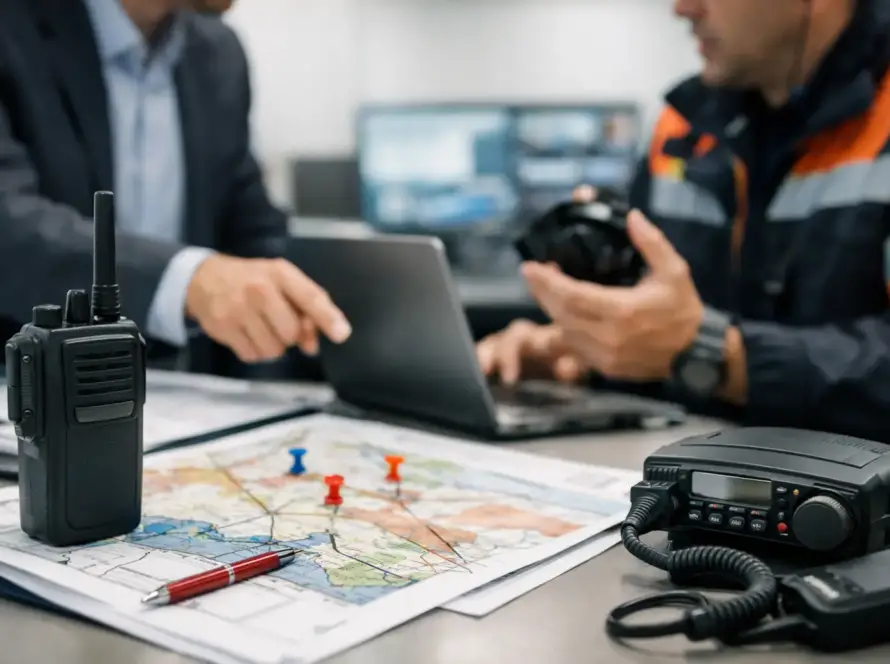
A radio that works fine during a routine shift can still fail when the pressure rises. That is the real reason a radio preventative maintenance program matters. For organizations that rely on dispatch, field coordination, marine operations, site safety, or mobile crews, radio performance is not just about audio quality. It is about uptime, coverage, battery health, accessory reliability, and confidence that every call gets through when it needs to.
Too often, maintenance starts only after users complain about weak audio, short battery runtime, broken antennas, or dead spots. By then, the issue has already reached operations. A structured program changes that. It turns maintenance from a reactive expense into a controlled process that protects the system, the users, and the work depending on it.
What a radio preventative maintenance program actually covers
A good radio preventative maintenance program is broader than cleaning handsets and replacing worn batteries. It should cover the full communication chain, from subscriber units to chargers, antennas, repeaters, power systems, programming consistency, and documented performance checks.
On portable and mobile radios, that usually means inspecting housings, connectors, knobs, microphones, speakers, and antennas for wear or damage. It also means verifying transmit and receive performance, checking firmware and programming alignment, and confirming that channels, talk groups, emergency settings, and encryption options are configured as intended.
At the system level, maintenance should include repeater performance, duplexer tuning, feedline condition, grounding, backup power, network backhaul where applicable, and site environmental factors such as heat, moisture, and corrosion. In island environments, salt air and humidity can shorten equipment life faster than many organizations expect. A radio system that looks acceptable on the surface can still be degrading at the connector, cabinet, or power level.
Why reactive repairs cost more than planned maintenance
The biggest mistake many organizations make is treating radio service as a break-fix function. That approach may seem efficient when budgets are tight, but it usually shifts cost into downtime, rushed repairs, replacement units, and operational delays.
A failed battery is inexpensive until it takes a supervisor out of contact during a busy shift. A damaged antenna is minor until crews begin repeating traffic and missing instructions. A repeater issue can remain invisible for weeks if coverage slowly degrades rather than dropping all at once. Small problems compound, and radio systems are rarely used in conditions that are gentle on equipment.
Preventative maintenance does not eliminate every failure. It reduces avoidable failures and catches decline early enough to plan around it. That difference matters for organizations managing staff across multiple sites, vehicles, vessels, or islands. It also helps finance and operations teams forecast costs instead of absorbing them as emergencies.
How to structure a radio preventative maintenance program
The best programs are built around risk, not just calendar dates. Some equipment needs quarterly inspection because it is used daily in harsh conditions. Other assets may only require semiannual or annual service. The right cadence depends on use, environment, criticality, and the type of system in place.
Start by separating assets into practical groups. Subscriber radios, mobile units, fixed infrastructure, batteries, chargers, and accessories should not all follow the same schedule. Handheld radios in active field use tend to need more frequent attention than office-based units. Marine radios often need closer inspection because moisture intrusion and corrosion can develop quickly. Infrastructure should be checked on a schedule that reflects its role in overall coverage and system resilience.
Then define what each maintenance event includes. A visual inspection alone is not enough. Each service interval should have clear technical checks, pass-fail criteria, and documentation requirements. If one technician tests transmit power one way and another uses a different method, trend data becomes unreliable. Consistency is what turns maintenance into a management tool.
It also helps to assign ownership early. Someone should be responsible for scheduling, asset records, and follow-up on failed items. Without ownership, even well-designed maintenance plans drift into informal habits.
Core elements of an effective program
Every program does not need to be complex, but it should include a few essentials. Asset inventory is the first one. If radios, batteries, chargers, and accessories are not tracked by model, serial number, user, and condition, service decisions become guesswork.
The next element is baseline testing. When a radio enters service, there should be a record of how it performed at that point. That gives technicians something to compare against later. Without a baseline, teams only know that a radio is failing after users notice it.
Documentation is equally important. Maintenance records should show what was tested, what failed, what was repaired, and whether recurring patterns are appearing across certain models, departments, or operating conditions. Those records help identify whether the real issue is misuse, aging inventory, charger problems, coverage gaps, or environmental exposure.
Training belongs in the program too. Many avoidable failures start with how equipment is handled in the field. Improper charging habits, damaged accessory ports, loose antennas, and incorrect storage practices can shorten service life. A short user refresher often prevents a long repair queue.
What should be inspected during routine maintenance
Routine maintenance should be practical and repeatable. For handheld and mobile radios, technicians typically inspect physical condition, test transmit and receive performance, verify frequency accuracy, assess battery condition, review accessory function, and confirm programming integrity.
Batteries deserve particular attention because they are one of the most common sources of user complaints. A radio may appear unreliable when the real problem is aging battery capacity or poor charger performance. Testing battery health and replacing units on schedule is often one of the simplest ways to improve user confidence.
Infrastructure checks are more technical and often more important. Repeaters, combiners, duplexers, antennas, grounding, and power systems should be tested and documented. Alarm conditions, temperature issues, cabinet cleanliness, ventilation, and backup power readiness all affect service continuity. If the system includes IP connectivity, network dependencies should also be reviewed because radio performance increasingly depends on more than RF hardware alone.
Coverage verification may also belong in the program, especially when teams report changing conditions in the field. Buildings change. Job sites shift. Vegetation, new construction, and network changes can alter performance over time. A radio system should not be assumed healthy just because the equipment powers on.
When custom scheduling makes more sense
There is no universal maintenance interval that fits every organization. A hotel engineering team, a utility field crew, a marine operator, and a public agency may all use similar radios in very different ways. That is why rigid annual service alone is not always enough.
Some organizations benefit from quarterly battery and accessory reviews with annual bench testing. Others may need site inspections before storm season, after major infrastructure work, or after periods of unusually heavy operational use. If communications are central to safety or continuity, the maintenance plan should reflect that reality.
For businesses operating in the U.S. Virgin Islands, environment should be part of the schedule. Heat, salt exposure, transportation between sites, and variable infrastructure conditions can create failure patterns that mainland maintenance assumptions may miss. A local, field-aware service approach tends to catch issues earlier because it is built around actual operating conditions rather than generic checklists.
Signs your current program is not enough
If users regularly swap batteries to make it through a shift, maintenance is already behind. The same is true if staff keep a few extra radios nearby because they do not trust assigned units, or if repeat issues keep showing up as isolated repairs instead of system trends.
Another warning sign is weak documentation. If no one can quickly answer how many radios are active, which batteries are near end of life, when the repeater was last tested, or whether programming is consistent across teams, the organization is operating with limited visibility.
A strong maintenance program should make communications more predictable. Not perfect, because radio environments are rarely perfect, but predictable enough that operations leaders can trust the system and plan replacements before failures create disruption.
The business case for doing it right
A radio preventative maintenance program supports more than equipment life. It protects response time, staff coordination, customer service, and operational control. For some organizations, it also supports compliance, incident documentation, and continuity planning.
The return is not always dramatic on a single invoice. It shows up in fewer avoidable outages, fewer emergency replacements, longer service life from existing assets, and less friction for the people relying on the system every day. It also helps leadership make smarter decisions about repair versus replacement, expansion timing, and budget planning.
The best communication systems are not only well designed. They are maintained with the same discipline used to build them. If your radios are critical to daily operations, treat maintenance as part of readiness, not an optional follow-up. A little structure now is usually much cheaper than silence later.