A captain calling the bridge, a ferry coordinating its approach, or a workboat reporting a mechanical issue all depend on the same core system. If you have ever asked how does VHF marine radio work, the short answer is this: it converts your voice into a radio signal, sends that signal over Very High Frequency channels, and delivers it to other radios within range almost instantly.
That sounds simple, but on the water the details matter. VHF marine radio is built for short-to-medium range communication, fast access to emergency channels, and dependable operation in harsh marine conditions. For commercial operators, marina teams, government units, and vessel crews in the U.S. Virgin Islands, understanding how it works helps you make better decisions about equipment, installation, and operating procedures.
How does VHF marine radio work in practice?
A VHF marine radio uses frequencies in the marine VHF band, generally around 156 to 162 MHz. When someone speaks into the microphone, the radio converts the voice into an electrical audio signal. That signal is then used to modulate a radio carrier on the selected channel and transmit it through the antenna.
A receiving radio tuned to the same channel captures that signal through its own antenna, demodulates it, and turns it back into sound through the speaker. In practical terms, it is a direct ship-to-ship or ship-to-shore conversation system designed for speed and clarity.
Most marine VHF communication is half-duplex. That means one person talks at a time, then releases the push-to-talk button so the other party can respond. If two users transmit at once on the same channel, neither message may come through clearly. That is why standard radio discipline matters just as much as the hardware.
Why VHF is still essential on the water
Cell coverage can be inconsistent offshore, between islands, or near areas with terrain shadowing. Satellite systems help, but they are not always the first tool for immediate vessel coordination. VHF remains the operational standard because it is fast, shared, and widely monitored.
Channel 16 is the best-known example. It is the international distress, safety, and calling channel, monitored by the Coast Guard and many commercial and recreational vessels. That common listening point is one reason marine VHF remains a front-line safety system rather than a backup people only remember in emergencies.
For working operators, VHF also supports routine traffic such as berth coordination, towing operations, pilot communication, bridge requests, and local fleet management. It is not complicated to use, but it does require the right setup and disciplined procedures.
The core parts of a VHF marine radio system
The radio unit itself contains the transmitter, receiver, controls, and audio components. It lets the operator select channels, adjust power, monitor traffic, and transmit messages. Fixed-mount radios are common on larger vessels because they typically provide better power output and can be connected to external antennas, GPS data, and distress functions.
The antenna is just as important as the radio. A marine radio is only as effective as its ability to send and receive clean signals. Antenna height directly affects range because VHF works primarily by line of sight. In open water, the higher the antenna, the farther the signal can usually travel.
The power source matters too. Fixed radios rely on vessel power, which is why proper wiring, battery condition, and installation quality are operational issues, not just electrical details. A radio that loses power during a critical moment is not a communications asset.
Many systems also include GPS integration. That becomes especially important when the radio supports Digital Selective Calling, or DSC.
Channels, power levels, and line-of-sight limits
Marine VHF radios operate on designated channels rather than free-tuning any frequency. Each channel serves a defined purpose. Some are reserved for distress and calling, some for port operations, some for vessel traffic, and others for working communications.
Power level affects how strongly the radio transmits. Many radios allow low-power and high-power operation, often 1 watt and 25 watts. Low power is useful when talking to a nearby vessel or marina because it reduces unnecessary interference. High power extends communication range when conditions require it.
Even with full transmit power, range is not unlimited. VHF is mainly line of sight, so the curvature of the earth, surrounding hills, buildings, and vessel structure all affect performance. In island environments like the USVI, terrain can create dead spots that are easy to underestimate. A vessel may have strong communication in one approach and weak coverage after rounding a headland.
Weather can influence clarity, but the bigger factors are usually antenna height, quality of installation, transmit power, and whether another station has a clear path to your signal.
How distress calls and DSC work
Traditional distress traffic begins with a voice call, usually on Channel 16. The operator states the vessel name, position, nature of distress, and the kind of assistance needed. This method still matters because it is direct and understood across the maritime community.
Modern radios often add DSC, which is a digital alerting feature built into many Class D fixed-mount units. With DSC, the operator can send an automated distress alert at the push of a dedicated emergency button. If the radio is connected to GPS and properly programmed with an MMSI number, that alert can include the vessel identity and position.
That changes response time. Instead of relying only on voice under stress, the radio can send structured digital distress information quickly to nearby DSC-equipped vessels and rescue authorities. It is not a replacement for voice follow-up, but it is a major safety improvement.
The value of DSC depends on setup. If the radio is never connected to GPS or the MMSI is not entered correctly, one of its most useful features is only partially available.
What affects audio quality and reliability
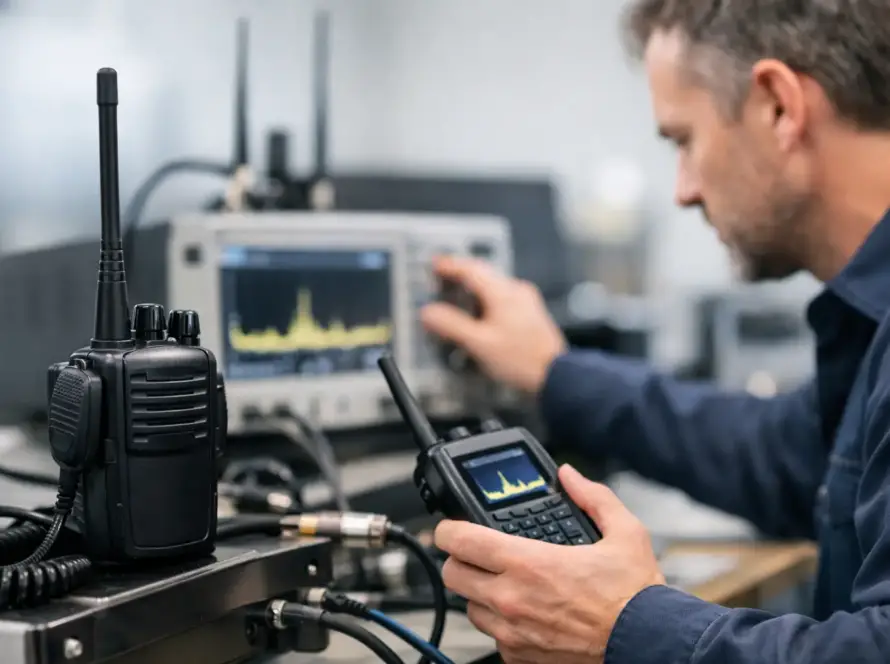
When operators complain that a VHF radio does not work well, the radio body is often not the real problem. Antenna mismatch, damaged coaxial cable, corroded connectors, poor grounding, and low supply voltage are common causes of weak performance.
Salt, heat, vibration, and moisture are hard on marine electronics. A radio installed correctly but left without inspection can slowly lose performance over time. That matters for vessels and shore facilities that treat radio as mission-critical infrastructure.
There is also a difference between having a radio and having a dependable communications system. A properly matched antenna, correct mounting location, clean power, GPS integration, and periodic testing all make a measurable difference. In demanding environments, that system view is what keeps communications ready when they are needed most.
Handheld vs fixed-mount radios
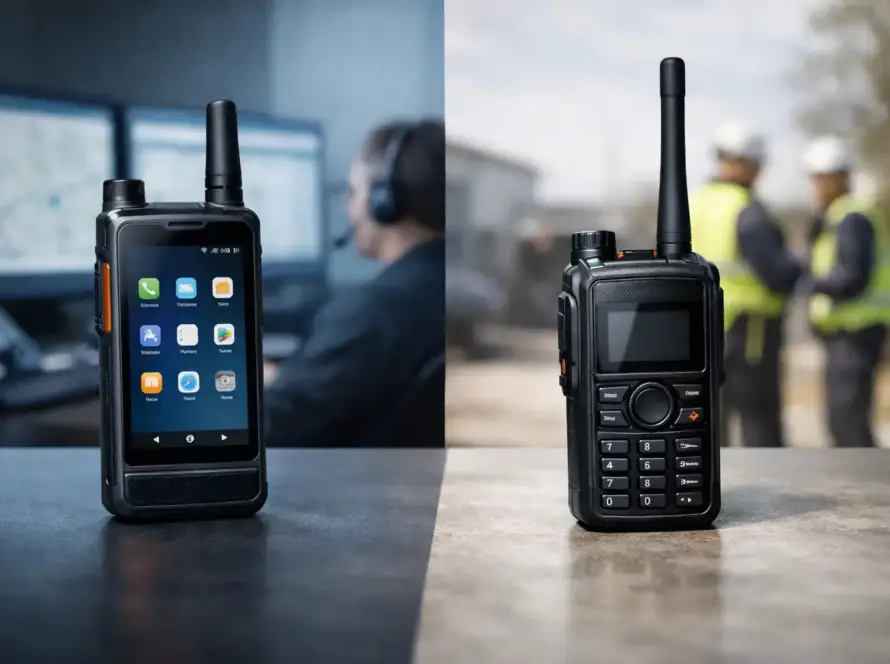
Handheld marine VHF radios are useful for small vessels, tenders, deck operations, and backup use. They are portable and easy to deploy, but they usually have lower transmit power and shorter range than fixed-mount units. Their antennas are also smaller and lower above the waterline, which limits performance.
Fixed-mount radios generally provide better range, stronger transmit capability, and more reliable integration with vessel systems. For commercial operators, workboats, passenger vessels, and organizations with safety or compliance requirements, a fixed unit is typically the primary radio, with handhelds serving as supplements.
The right choice depends on the operating profile. A harbor tender has different needs than an inter-island vessel or a marine operations team supporting infrastructure work. That is why radio selection should follow mission requirements, not just price or convenience.
How does VHF marine radio work when coverage is difficult?
This is where expectations need to stay realistic. VHF works well, but it is not magic. Around islands, hills, port structures, and variable shorelines, radio coverage can shift fast. A vessel may hear a shore station clearly while the shore station struggles to hear the vessel back because of antenna height differences or local obstruction.
That is one reason professional installation and system planning matter. In some operations, the answer is not a more expensive radio but a better antenna location, improved feed line, or a coordinated shore-side setup. For fleets, ports, and public-sector users, communications performance should be evaluated as part of a wider operational environment.
For organizations in the Virgin Islands, local terrain knowledge is a real advantage. Cwave Communications works in exactly these conditions, where island geography and infrastructure realities shape radio performance every day.
Operating discipline matters as much as equipment
The best radio will not fix poor procedure. Clear channel selection, concise message format, proper watchkeeping, and routine radio checks all improve outcomes. Operators should know which channels are used for hailing, which are used for working traffic, and when to move off a calling channel to keep it open.
Training also reduces avoidable failures. People under pressure tend to talk too long, skip key details, or transmit on the wrong channel. Good radio practice keeps communication brief, accurate, and actionable.
VHF marine radio works because it is simple, direct, and built around shared standards. When the equipment is installed correctly and the users are trained, it delivers exactly what marine operations need most – immediate communication when timing and clarity matter.