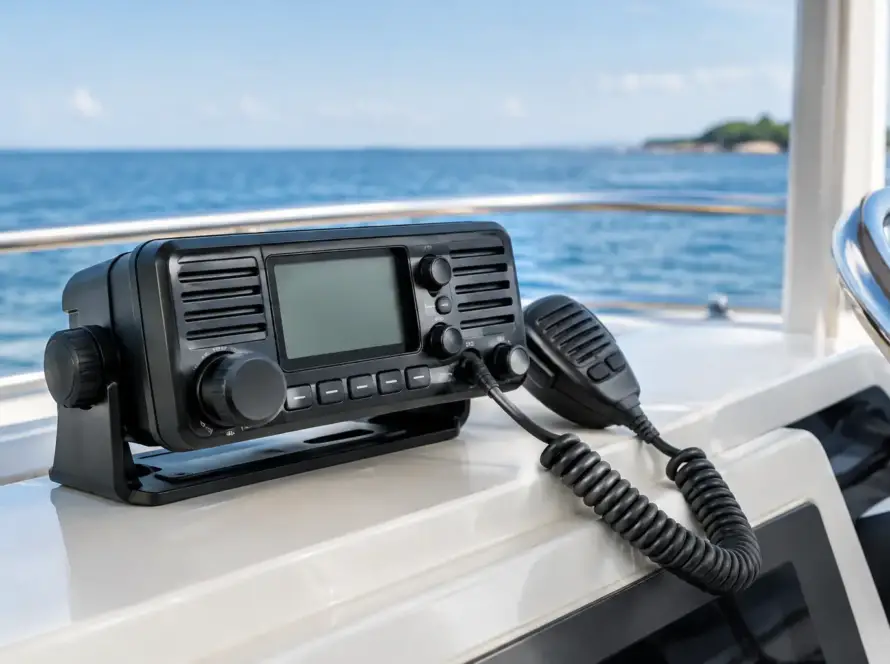
Salt air does not give electronics much grace. A marine radio can look fine at the helm and still be slowly degraded by corrosion, loose power connections, moisture intrusion, or an antenna issue that cuts range when you need it most. That is why knowing how to maintain marine radios is less about appearance and more about preserving reliable communication when conditions get rough, busy, or unpredictable.
For vessel owners, captains, and marine operators, radio maintenance is really an uptime issue. If your VHF or other onboard communication equipment fails during a routine trip, it is inconvenient. If it fails during a traffic conflict, weather event, or docking problem, it becomes a safety and operations problem very quickly. The good news is that most radio failures do not start as sudden failures. They start as small, preventable issues.
How to maintain marine radios without overcomplicating it
The most effective maintenance program is usually simple and consistent. You do not need to disassemble your radio every month or replace parts on a schedule that ignores actual wear. What you do need is a routine that addresses the three things marine environments attack first: power, exposure, and signal path.
Start with a visual inspection. Look at the radio body, display, microphone, mounting bracket, and cable connections. If the unit is fixed-mount, check whether vibration has loosened anything behind the console. If the radio is handheld, inspect the battery contacts, charging port, and casing seal. Small cracks, greenish corrosion, stiff connector threads, and brittle cable jackets usually indicate bigger problems are forming.
Then confirm function, not just power. A radio that turns on is not necessarily a radio that transmits and receives correctly. Test audio clarity, channel selection, squelch behavior, distress or priority features if applicable, and microphone performance. If the sound is weak, distorted, or intermittent, the issue may be the speaker, mic cord, antenna connection, or power supply rather than the radio core itself.
Clean the radio the right way
Marine radios should be cleaned regularly, but aggressive cleaning can do damage. Harsh chemicals, high-pressure spraying, and soaking connectors can shorten equipment life faster than salt residue alone.
Use a soft cloth slightly dampened with fresh water to remove salt film, dust, and grime from the exterior. For stubborn buildup, a mild soap solution is usually enough. Dry the unit completely with a clean cloth. Around buttons, grills, and seams, use care. The goal is to remove residue without forcing moisture deeper into the housing.
Microphones deserve special attention because they are handled constantly and often exposed to sunscreen, sweat, spray, and dirt. Wipe the mic body and cord regularly, and make sure the push-to-talk button returns cleanly after each press. A sticky button or intermittent transmit response is a maintenance issue, not a cosmetic one.
For connectors, less is more. If you disconnect antenna or power fittings for inspection, make sure they are fully dry before reconnection. Contact cleaner may be appropriate in some cases, but only if it is suitable for electronics and used sparingly. If corrosion is advanced, cleaning alone may not restore reliability.
Power problems are one of the most common failures
A large share of marine radio issues come from unstable power. Fixed-mount radios depend on clean, consistent voltage. If the unit reboots, dims during transmit, or behaves unpredictably, the radio may be reacting to the boat’s electrical system rather than failing internally.
Check power leads for secure terminations, clean fuse holders, and signs of heat damage. Inspect in-line fuses and breaker connections. Corrosion at the battery or distribution panel can create voltage drop that only shows up when the radio transmits at higher power. That is why a quick bench-style power-on check is not enough.
If your vessel has added electronics over time, it is worth confirming the radio still has an appropriate power path and grounding arrangement. Shared circuits, aging wiring, and vibration can create intermittent issues that are difficult to trace once they become severe. In those cases, maintenance may need to move beyond the radio itself and include the supporting electrical infrastructure.
Handheld marine radios bring a different power concern: battery condition. Rechargeable batteries lose capacity gradually, especially in heat and humidity. If a handheld no longer holds charge through a normal trip, replace the battery before it becomes a field failure. Also inspect charging cradles and charging contacts. A battery is only as reliable as the connection that charges it.
Antenna condition matters as much as the radio
Operators sometimes assume weak performance means the radio is wearing out, when the real problem is the antenna system. On a marine vessel, the antenna, cable, mount, and connector all affect transmit and receive range.
Inspect the antenna for cracks, looseness, or UV damage. Even slight structural wear can allow moisture inside, which changes performance in ways that are not always obvious at the dock. Check the mount for stability and the coax cable for abrasion, crushing, or bends that are tighter than recommended. Salt, sun, and motion put constant stress on these components.
Also look closely at the connector where the antenna cable meets the radio. Corrosion or a poorly seated fitting can reduce signal quality significantly. If your radio powers on and audio sounds normal but range has fallen off, the antenna path should be one of the first places you inspect.
This is one area where guesswork can waste time. If there is concern about antenna efficiency or feedline loss, proper testing is usually faster and more reliable than replacing parts one by one.
Protect against corrosion before it spreads
Corrosion is not just a cosmetic issue on boats in tropical or coastal conditions. It creates resistance, weakens connections, and slowly turns a dependable communications system into an inconsistent one.
Look for early signs around screws, brackets, connectors, battery terminals, and exposed metal parts. White residue, green deposits, rust staining, and frozen threads all matter. The earlier you catch them, the easier the fix. Once corrosion gets into wire strands, connector interiors, or circuit areas, repair becomes more involved.
Prevention helps more than cleanup. Keep radios covered when practical, avoid unnecessary direct spray exposure, and make sure mounting locations do not trap standing moisture. If a radio is installed where washdown water, rain, or salt spray regularly reaches the back side of the unit, maintenance frequency should increase. Conditions onboard vary, and placement often determines service life.
Software, settings, and operational checks
For modern marine communication equipment, maintenance is not always physical. Settings drift, channels are changed, and features get disabled by accident. If you manage multiple vessels or crew rotations, a monthly operational check is worth the time.
Confirm channel programming, scan lists, alert settings, transmit power selection, GPS or DSC functions if equipped, and speaker or external accessory performance. Labeling also matters. If crew members cannot quickly identify the right radio, handset, or charging location during a busy moment, that is an operational weakness.
It is also smart to test radios in realistic conditions. A radio may sound fine at the dock and perform poorly offshore due to mounting, interference, or power issues under load. Routine radio checks should reflect actual use, not just a quick button press before departure.
When to handle it in-house and when to call for service
Some maintenance tasks belong with the vessel operator. Cleaning, visual inspection, battery replacement, simple function testing, and checking for obvious cable or connector issues should be part of normal equipment care.
Other problems call for qualified service. Persistent low range, intermittent transmit, water intrusion, display failures, damaged coax, programming problems, or suspected internal corrosion usually require proper diagnostics. The same applies if your radios are part of a broader onboard or fleet communications setup where one failing component affects overall coverage or reliability.
For commercial operators, marinas, workboats, and organizations managing multiple radios across vessels and locations, periodic professional inspection is often more efficient than waiting for something to fail. Cwave Communications supports marine radio maintenance with a field-ready, service-driven approach that fits real operating conditions, especially where salt exposure, humidity, and island logistics can shorten equipment life if upkeep is inconsistent.
Build a maintenance rhythm that matches your use
There is no perfect universal schedule because vessel use is not universal. A weekend boat with covered storage has different needs than a charter vessel, harbor operation, or utility craft running daily. Heavy use, direct spray, open-console installations, and long exposure to sun and salt all increase maintenance needs.
A practical rhythm is to do a quick visual and functional check before use, a light cleaning after exposure, and a deeper inspection monthly or at regular service intervals. If equipment is mission-critical to operations, document what was checked and when. That creates accountability and helps identify recurring issues before they become outages.
The best marine radio maintenance plan is the one your team will actually follow. Keep it disciplined, keep it realistic, and treat communication equipment with the same attention you give other core systems onboard. Reliable radios rarely stay reliable by accident.