A marine VHF radio is one of the most practical safety tools aboard a working vessel, charter boat, ferry, or private craft. When weather shifts, equipment fails, a crew member needs assistance, or a vessel must coordinate with a marina or another boat, clear radio communications can make the difference between a manageable situation and a delayed response.
For operators in the U.S. Virgin Islands, VHF performance is shaped by more than the radio mounted at the helm. Island terrain, vessel location, antenna height, battery condition, channel discipline, and maintenance all affect whether a call is heard when it matters. Selecting the right equipment is only the starting point. The goal is a communications setup that remains ready through daily operations and unexpected events.
What a Marine VHF Radio Does
Marine VHF operates in the very high frequency radio band used for short-range maritime communications. It is the standard voice communications method for vessels, marinas, harbor operations, bridge tenders, emergency coordination, and vessel-to-vessel traffic.
Unlike a cellular phone, a VHF transmission can be heard by multiple nearby vessels and shore stations at once. That shared awareness is valuable when there is an immediate navigational hazard, a medical issue onboard, an engine failure, or a vessel in distress. A phone call may reach one person. A properly transmitted VHF call can alert the people most able to respond nearby.
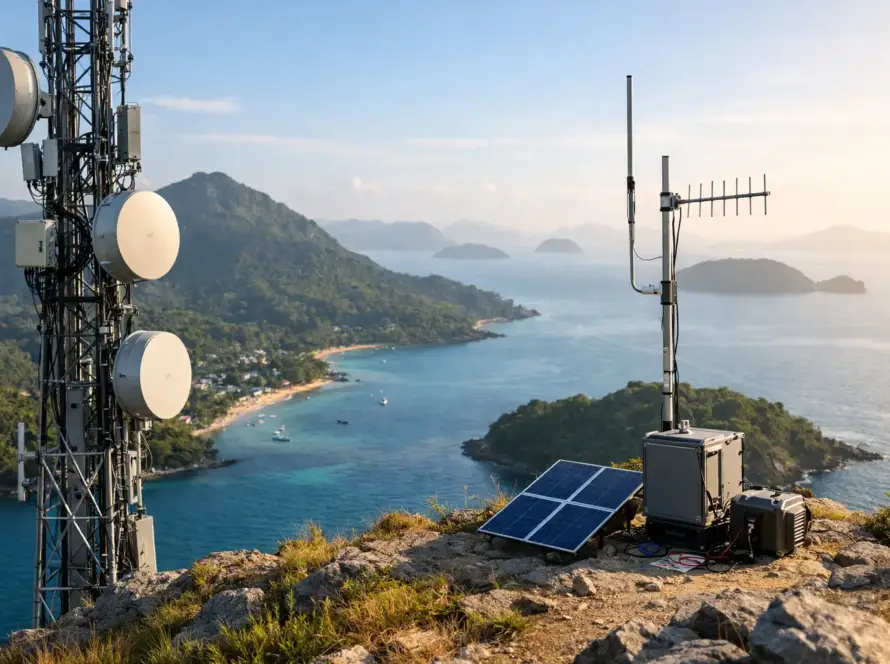
VHF is primarily line-of-sight. In practical terms, that means range depends heavily on antenna elevation and surrounding terrain. A handheld radio at deck level may provide useful close-range communications, while a fixed-mounted radio connected to an elevated antenna can reach substantially farther. Around Saint Thomas, Saint John, and Saint Croix, hills, bays, and the distance between islands can affect coverage. Testing a system on the routes a vessel actually runs is more useful than relying on a range claim printed on a box.
Fixed-Mount and Handheld Marine VHF Options
Most commercial and frequent-use vessels benefit from a fixed-mount marine VHF radio as the primary unit. These radios are connected to the vessel’s electrical system, usually transmit at higher power, and use an external antenna installed at a favorable height. They are designed for regular operation at the helm and can support features such as Digital Selective Calling, external speakers, remote microphones, and GPS position input.
A handheld VHF radio is valuable as a backup, a tender radio, or a portable communications tool for crew working away from the helm. Its limitations should be understood. Battery capacity, lower antenna height, water exposure, and reduced transmit power can limit performance. A handheld unit is not automatically a substitute for a properly installed fixed radio on a vessel that depends on consistent communications.
The strongest approach is often both: a fixed unit for primary operations and a charged, tested handheld unit stored where it can be reached quickly. The handheld should be included in routine checks, not left in a locker until an emergency reveals a depleted battery or failed charging cradle.
Antenna Height Matters More Than Many Buyers Expect
The antenna is a central part of the radio system, not an accessory. A quality radio connected to a poorly installed, damaged, or low-mounted antenna will not perform as intended. Corroded connectors, worn coaxial cable, water intrusion, and improperly tuned antennas can all reduce transmit and receive performance.
A higher antenna generally extends the radio horizon, but installation must account for vessel clearance, mounting strength, cable routing, and exposure to saltwater. On commercial vessels, periodic inspection is a practical maintenance requirement. If crews report weak reception, intermittent transmission, or unusually limited range, the antenna system should be examined before replacing the radio.
Key Marine VHF Features That Support Safer Operations
Not every vessel needs the same feature set. A day-sail boat, passenger vessel, fishing operation, marina workboat, and inter-island service all have different operating demands. Still, several capabilities deserve careful consideration.
Digital Selective Calling, commonly called DSC, allows a radio to send a digital distress alert and make direct calls to other equipped radios. When properly configured with a Maritime Mobile Service Identity, or MMSI, and connected to a GPS source, a DSC distress alert can transmit vessel identification and position information. That can reduce confusion during a high-stress event, when relaying coordinates by voice may be difficult.
Built-in GPS is useful when it provides the position data needed for DSC functionality. Some installations instead connect the radio to an external GPS or navigation system. Either arrangement can work, but the position feed should be verified during installation and checked periodically.
A clear display, intuitive controls, noise-canceling microphone, and a speaker loud enough for an operating vessel are operational features, not luxuries. On a noisy center console or workboat, a radio that cannot be heard clearly will not serve its purpose. For vessels with enclosed cabins, machinery noise, or separated work areas, external speakers or remote microphone options may be appropriate.
Water-resistance ratings also matter, especially for handheld units and exposed helm stations. However, no rating replaces proper storage, dry connections, and regular inspection after heavy spray or rain exposure.
Channel Use and Radio Discipline
A capable radio can still create problems when operators lack basic channel discipline. Channel 16 is the international distress, safety, and calling channel. It should be monitored when required and kept clear for urgent traffic, safety information, and brief initial calls. Once contact is established, vessels should move to an appropriate working channel.
Channel assignments and local operating practices can vary by port, marina, service provider, and vessel type. Crews should know the working channels used by their operation and keep an updated channel plan onboard. For a passenger or commercial fleet, this plan should identify calling procedures, vessel-to-vessel channels, marina contacts, emergency escalation steps, and any company-designated operational channels.
Radio traffic should be brief, clear, and professional. State the station or vessel being called, identify your vessel, and give the reason for the call. Avoid transmitting sensitive operational details over an open channel. VHF is not private, and anyone monitoring the channel may hear the conversation.
Distress, Urgency, and Safety Calls
Crew members should understand the difference between a distress call, an urgency call, and a safety message. A MAYDAY call is used when there is grave and imminent danger and immediate assistance is required. PAN-PAN is used for urgent situations that do not yet rise to that level, such as a significant medical concern or disabled vessel that may become exposed to danger. SECURITE is used for important navigational or safety information.
Training should include more than memorizing these terms. Operators need to know what information to provide: vessel name, position, nature of the emergency, assistance needed, number of people onboard, and any details that affect the response. A written emergency call card near the radio can help a crew member communicate clearly under pressure.
Installation and Maintenance Are Part of the System
A marine VHF installation should be planned around the vessel’s operating environment. The radio needs a protected, accessible location with clear visibility and controls that can be used safely underway. Wiring should be fused correctly, protected from chafe and moisture, and connected to a dependable power source. A radio that loses power when the engine starts or when another system is activated needs corrective attention.
For businesses operating multiple vessels, consistency reduces errors. Similar radio locations, channel plans, labeling, and crew procedures make it easier for personnel to move between vessels without relearning critical equipment. Documentation should record the radio model, MMSI details, antenna type, cable routing, and service history.
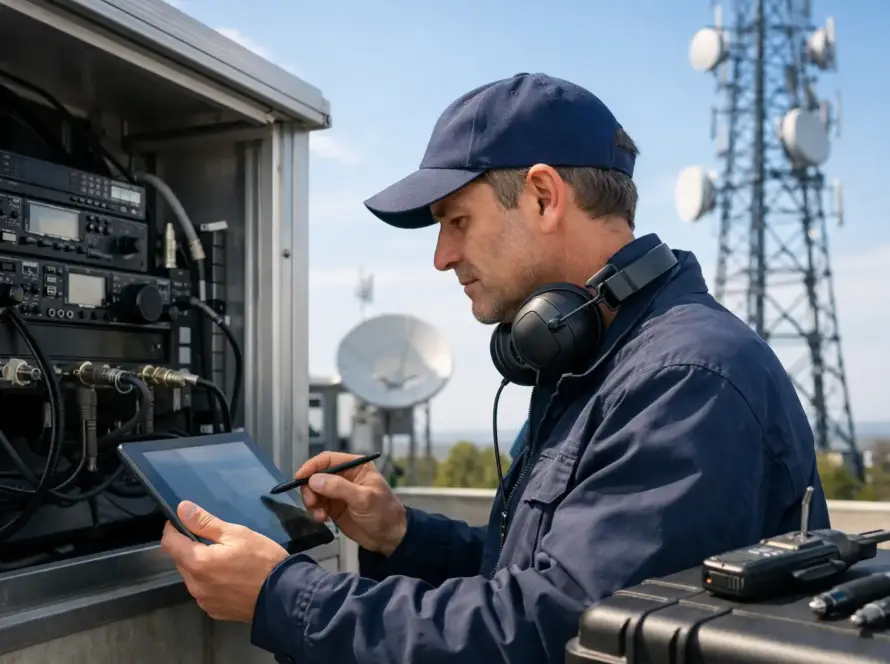
Routine testing is equally important. Confirm transmit and receive performance before departure, check the GPS position display if installed, inspect connectors for corrosion, and verify that handheld batteries charge fully. Do not conduct false distress alerts as a test. Functional checks should follow approved procedures and use appropriate working channels.
Building a Marine VHF Plan for Island Operations
A radio purchase should begin with operational questions: Where does the vessel travel? How many crew members need radio access? Is the vessel operating around ports, between islands, or offshore? Does it need coordination with a shore team, other vessels, or emergency services? The answers determine whether a simple fixed radio is sufficient or whether the vessel needs a more deliberate communications design.
For organizations that depend on vessel uptime, radio support should include installation quality, crew familiarization, periodic inspections, and a path for repairs when equipment fails. Cwave Communications, an authorized Hytera dealer, supports practical communications planning for businesses and operators that need dependable service across the U.S. Virgin Islands.
A marine VHF radio earns its value before an emergency, through clear daily coordination, disciplined use, and regular testing. Treat it as a working part of the vessel’s safety system, and it will be far more likely to perform when the crew needs it most.