A radio that works perfectly at the dock can still leave an operator exposed if its licensing, identity programming, watchkeeping, or operating procedures are not compliant. This marine communications compliance guide is built for vessel owners, fleet managers, and maritime operators who need dependable communications in and around the U.S. Virgin Islands, where traffic, weather changes, island terrain, and international routes can quickly raise the stakes.
Compliance is not a paperwork exercise separate from operations. It is the framework that ensures a distress call reaches the right responders, a vessel can be identified without delay, and crew members use assigned equipment correctly. The right requirements depend on the vessel, installed equipment, operating area, and whether voyages remain domestic or cross international boundaries.
Start With the Vessel and Its Operating Profile
Before selecting radios or reviewing licenses, define how the vessel actually operates. A small recreational boat staying in U.S. waters has different obligations from a charter vessel, workboat, ferry, cargo vessel, or yacht making regular passages to neighboring islands.
Key questions include whether the vessel is recreational or commercial, whether it travels outside U.S. territorial waters, carries passengers for hire, operates offshore, or is subject to additional inspection requirements. Equipment matters as well. A vessel with a fixed VHF radio has a different compliance profile from one carrying VHF, AIS, satellite communications, emergency position-indicating equipment, or high-frequency radios.
This distinction is especially relevant in the Caribbean. A voyage that appears routine on a chart may cross into another country’s waters or involve a foreign port call. International operations often trigger requirements that do not apply to a purely domestic recreational trip.
Know Which Authorities Apply
Marine radio compliance is shaped by several overlapping authorities. The Federal Communications Commission regulates radio licensing and spectrum use in the United States. The U.S. Coast Guard establishes and enforces many operational safety, carriage, and watchkeeping requirements. International standards and foreign administrations can also apply when a vessel operates beyond U.S. waters.
For many recreational vessels operating only in U.S. waters, an FCC ship station license may not be required for a properly authorized VHF marine radio. That exception is narrow and should not be treated as a blanket exemption. A license is generally required when a vessel makes international voyages, carries certain radio equipment, or falls into a category with separate regulatory obligations.
Commercial vessels and passenger operations should be reviewed more carefully. Their requirements may include licensed stations, required equipment, operator credentials, records, designated operating channels, and emergency communications procedures. Vessel owners should verify their obligations against their specific service, tonnage, route, and inspection status rather than relying on rules intended for recreational use.
License the Station and Program Its Identity Correctly
When an FCC ship station license is required, it applies to the vessel’s radio station, not simply to the person operating the radio. The license should reflect current vessel information, ownership, equipment, and operating details. Changes in vessel name, documentation, ownership, or installed communications equipment may require an update.
A properly assigned Maritime Mobile Service Identity, or MMSI, is equally important for vessels using Digital Selective Calling. The MMSI ties the radio’s identity to the vessel and supports distress alerts, direct calling, and coordination with other properly equipped stations. It must be programmed accurately into every DSC-capable radio and matched to the vessel’s active licensing or registration records.
A common failure point occurs when a radio retains an MMSI from a prior owner or is programmed with an identifier issued through a service that is not suitable for the vessel’s international operating plans. If the vessel is sold, transferred, or reflagged, the radio’s identity must be addressed as part of the transfer process. Do not assume an MMSI can simply move with the equipment.
Treat VHF Procedures as Part of Compliance
A compliant installation does little good if the crew does not follow marine radio procedure. VHF channels are assigned for specific purposes, and emergency channels must remain available for distress, safety, and calling traffic. Channel 16 is used for distress, safety, and initial calling, not extended routine conversations.
Every vessel should establish clear onboard practices for routine calls, emergency calls, radio checks, and escalation when a call is not answered. Crew members need to know the vessel name, call sign when applicable, MMSI, current position format, nature of distress, and how to operate the distress function on the installed radio.
For commercial and passenger-facing operations, this should be formalized through training and documented procedures. The goal is not to make every crewmember a radio specialist. It is to ensure the person at the microphone can communicate accurately under pressure.
Confirm Required Equipment for Your Service
Equipment carriage rules are not universal. They vary according to vessel type, route, passenger service, size, inspection category, and distance from shore. A vessel may need more than a handheld VHF to meet its actual safety and operating requirements.
Fixed-mount VHF radios, properly installed antennas, backup power arrangements, AIS, distress alerting equipment, navigation receivers, and satellite capability may all have a role. The correct combination depends on the operation. For example, a tour vessel operating close to shore has different needs from a workboat supporting remote facilities or a vessel routinely transiting between jurisdictions.
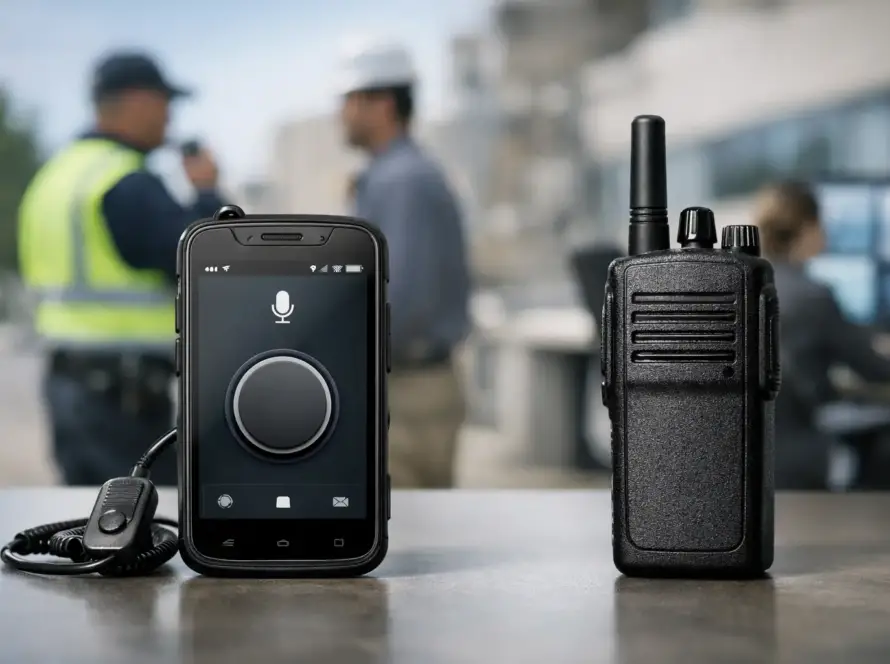
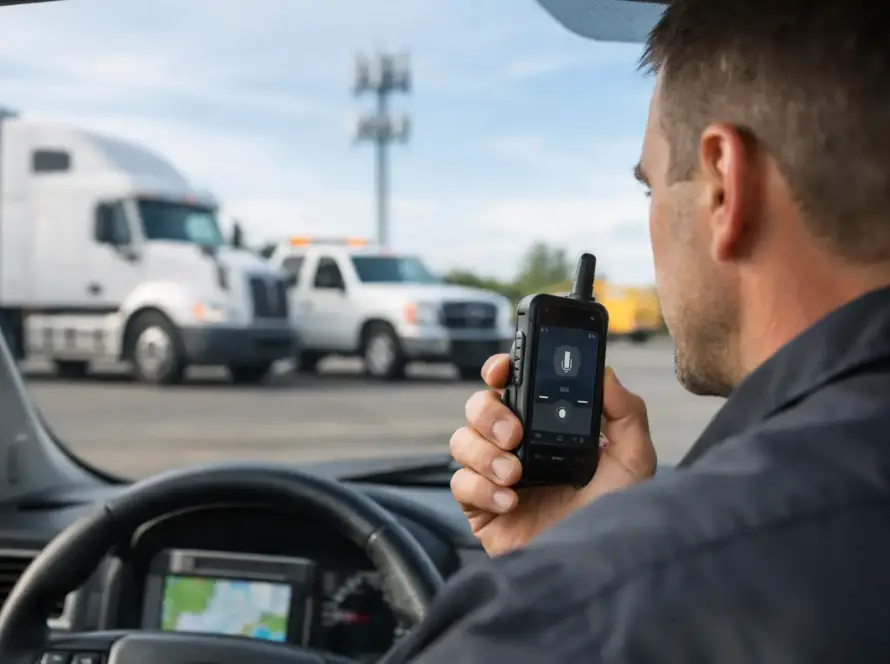
Handheld radios are useful backups, but they are not always a substitute for a fixed, properly installed marine radio. Their lower antenna height, battery limits, reduced transmit range, and vulnerability to water or impact affect real-world performance. A compliance review should evaluate coverage and redundancy, not merely whether a radio is present.
Build an Inspection and Recordkeeping Routine
Marine communications systems need scheduled verification. Salt air, vibration, heat, moisture intrusion, corroded connectors, damaged coaxial cable, and weak batteries can degrade a system without an obvious warning. A radio check alone does not confirm that distress features, GPS position input, antenna performance, or backup power will work as intended.
A practical inspection routine should verify that licensing documents are current, the MMSI displayed by the radio is correct, the radio receives valid position data, and DSC functions operate as configured. Check antenna mounts and connections, inspect power wiring and fuses, test handheld charging systems, and confirm that crew reference materials remain legible and current.
For regulated operations, retain records that demonstrate maintenance, inspections, tests, equipment service, and crew training. The required records depend on the vessel’s classification, but good documentation also helps identify recurring faults before they become operational failures.
Plan for Caribbean Coverage and International Travel
Island operations create practical communications challenges that are not solved by compliance alone. Mountainous terrain can block line-of-sight VHF paths. A vessel may move quickly from a strong coverage area into a shadowed channel or offshore route. Cellular-based communications can be valuable for routine coordination, but they should be assessed honestly for offshore availability, network resilience, and emergency use.
If a vessel travels between the U.S. Virgin Islands, Puerto Rico, the British Virgin Islands, or other Caribbean destinations, verify licensing and equipment requirements before departure. Confirm that the radio station authorization, MMSI source, operator credentials when required, and onboard documentation support the intended route. Foreign port calls can change the compliance picture even when the vessel’s normal home waters are domestic.
This is also where equipment selection becomes an operational decision. A vessel that relies on one communications path may be acceptable for short, protected trips but unsuitable for longer passages. Redundancy may involve a fixed VHF radio, a charged handheld, satellite capability, and a defined procedure for communicating a missed check-in.
Avoid the Shortcuts That Create Real Risk
Most compliance issues are preventable. They often come from treating the radio as an accessory installed once and forgotten. The highest-risk shortcuts include using an old MMSI, failing to update a license after a vessel transfer, relying on an untested handheld as the primary emergency radio, allowing untrained crew to use DSC functions, and using working channels for prolonged casual traffic.
Another concern is unauthorized programming or alteration of marine radio equipment. Marine radios must be configured and used within their authorized service rules. Using improperly programmed equipment, transmitting on channels without authorization, or substituting business-radio practices for marine procedures can interfere with safety communications and create regulatory exposure.
For organizations with multiple vessels, standardization helps. Consistent radio models, labeling, channel plans, inspection forms, and crew training reduce confusion when personnel move between vessels. Cwave Communications, an authorized Hytera Dealer, can help operators assess communications infrastructure alongside the practical realities of coverage, maintenance, and lifecycle support.
Make Compliance a Readiness Standard
The most useful marine communications compliance guide is one that becomes part of normal vessel readiness. Review the system before the busy season, after major repairs, when ownership or routes change, and whenever new communications equipment is installed. Do not wait for an inspection, a distress event, or a failed call to discover that documentation and equipment no longer match.
A compliant marine radio system should give operators confidence without creating unnecessary complexity: the vessel is correctly identified, the equipment is suitable for its route, the crew understands the procedures, and the system is maintained for the conditions it will face. That is the standard that keeps communications ready when the next call matters.