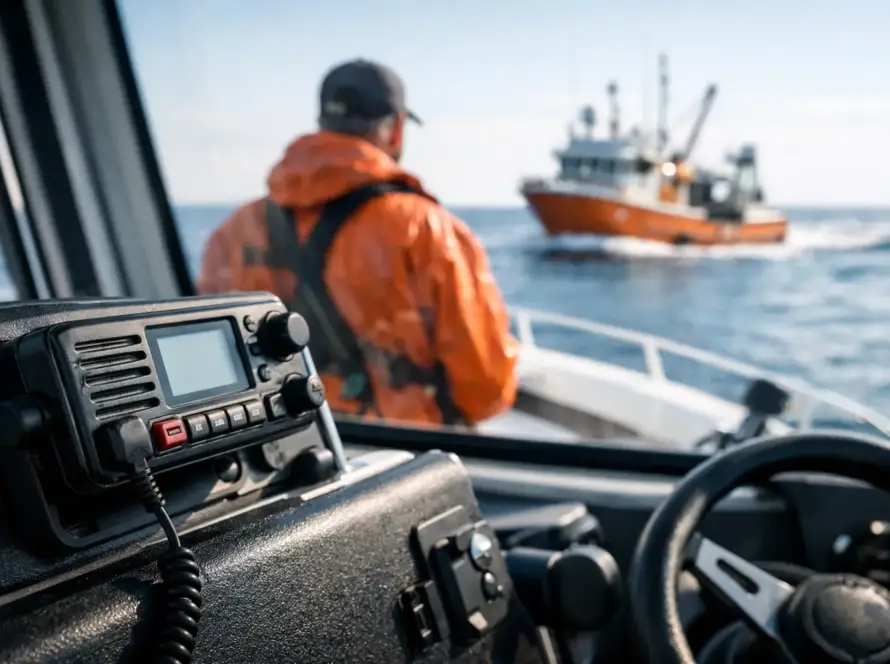
A radio that works perfectly at the office but drops out at the dock, in a concrete stairwell, or on the far side of a hill is not a dependable communications system. Learning how to improve radio coverage starts with treating coverage as an operational design issue, not simply an equipment issue. The right radio matters, but so do terrain, building materials, antenna height, system configuration, and the way people actually use the network.
For organizations in the U.S. Virgin Islands, those factors can change quickly. Hills, dense vegetation, reinforced structures, shoreline operations, and water crossings all affect radio performance. A reliable solution begins with a clear understanding of where communication must work, where it currently fails, and what level of reliability the operation requires.
Start With a Coverage Assessment
The most effective way to improve radio coverage is to identify the exact conditions causing weak or inconsistent signals. “Poor coverage” can describe several different problems: a radio may not reach the base station, it may receive a signal but transmit poorly, audio may be unclear, or a channel may become congested during busy periods. Each problem calls for a different correction.
A site survey should map the areas where personnel need communications, including indoor and outdoor spaces, vehicle routes, docks, elevated areas, storage yards, stairwells, mechanical rooms, and remote work zones. It should also document when failures occur. A dead spot that appears only during heavy rain, high winds, or peak operations may point to a different issue than a permanent blind area.
Coverage testing should be conducted with the same radio models, accessories, and operating positions used in the field. Testing from a roof or open parking lot may show excellent results while masking failures inside a facility or at ground level. Field conditions are what matter.
Separate Coverage Problems From Audio Problems
Users often report that a radio has “no signal” when the underlying issue is audio quality. A worn speaker microphone, improperly fitted earpiece, low battery, or excessive background noise can make a working radio system feel unreliable. Before investing in new infrastructure, inspect the radios, batteries, chargers, antennas, and accessories already in service.
This does not mean infrastructure upgrades should be delayed when coverage is genuinely inadequate. It means the diagnosis should be disciplined. Replacing radios without understanding the problem can add cost without improving the result.
Improve Antenna Placement Before Adding More Equipment
Antenna location is one of the strongest drivers of radio coverage. In many systems, a properly placed and correctly specified antenna delivers more value than increasing transmitter power. Height helps because it improves line of sight, but elevation alone is not enough. The antenna must also be positioned away from obstructions and sources of interference.
Metal roofs, large equipment, solar installations, nearby antennas, and building-mounted utilities can alter radio-frequency performance. For indoor coverage, an exterior antenna may not adequately serve rooms surrounded by concrete, steel, or low-emissivity glass. For a waterfront facility, placing an antenna where terrain blocks inland communications can leave crews disconnected even when the site appears to have a clear view of the water.
A qualified design considers antenna gain, polarization, cable length, connector quality, grounding, lightning protection, and the radio band in use. Long or damaged coaxial cable can reduce signal strength enough to undermine an otherwise sound installation. In island environments, weather exposure and corrosion make regular inspection especially important.
Use the Right Antenna for the Operating Environment
There is no single antenna that is best for every operation. An omnidirectional antenna can provide broad coverage around a central location, while a directional antenna can focus energy toward a remote facility, a harbor approach, or a known trouble area. A distributed antenna system may be appropriate inside larger buildings where one external antenna cannot reach critical rooms.
The trade-off is that more focused coverage requires more precise design. Directional antennas can improve a specific path dramatically, but they do not solve communication needs behind or beside the antenna. The system should reflect the actual movement of staff, vehicles, vessels, and response teams.
Add Repeaters Where Distance or Terrain Demands It
A repeater receives a radio transmission and retransmits it from a better location, extending the usable range of the system. It is often the right answer when direct radio-to-radio communication is blocked by terrain, distance, or building density. A repeater placed at a high, well-engineered site can provide coverage across areas that portable radios cannot reliably connect on their own.
Repeaters are not a cure-all. A poorly located repeater may simply move the coverage problem from one area to another. Its effectiveness depends on the height and location of the site, antenna system, frequency coordination, power reliability, and the ability of field radios to reach it in the first place.
For operations spread across Saint Thomas, Saint John, or Saint Croix, a single repeater may not provide dependable service in every valley, facility, or shoreline work area. Multi-site systems, linked repeaters, or a combination of conventional radio and Push-to-Talk over Cellular may be the better design. The right approach depends on the expected coverage area, the required availability, and whether communications must continue during cellular or internet disruptions.
Select Radios and Frequencies That Match the Job
Portable radio performance varies by model, band, transmitter power, receiver sensitivity, and antenna design. A compact radio may be convenient for hospitality or event staff, while utility, marine, construction, and field operations may require a more rugged unit with stronger audio, a larger battery, and an antenna suited to the operating band.
Digital Mobile Radio systems can improve audio clarity and channel efficiency, but digital coverage has a defined edge. Near the limit of coverage, analog audio may become noisy while digital audio can remain clear until it drops off more abruptly. Neither approach is automatically better in every location. The system should be tested where teams work, not judged solely by specifications.
Frequency selection also matters. Lower-frequency signals can perform differently around terrain and through certain materials than higher-frequency signals. Licensing, channel availability, interference risk, and the need to communicate with existing users must all be considered. An authorized dealer and experienced radio provider can help ensure equipment and frequencies are configured for legal, practical operation.
Reduce Interference and System Bottlenecks
Coverage can appear weak when interference is the real problem. Interference may come from nearby radio users, electrical equipment, improperly installed signal amplifiers, damaged cables, or intermodulation created by multiple transmitters at the same site. Symptoms can include intermittent noise, missed calls, distorted audio, or radios that work well in one part of a property and poorly in another.
A technical inspection should include spectrum analysis where appropriate, verification of antenna and cable performance, and a review of channel programming. If several departments share one channel, busy traffic can also create the impression that calls are failing. Separate talk groups, designated operational channels, and clear radio procedures can improve communications without changing physical coverage.
This is particularly relevant for organizations with mixed communications needs. Maintenance, security, facilities, transport, and management may not need to share every conversation. Proper channel planning keeps critical traffic clear and helps teams respond faster when a priority call comes through.
Build Resilience Into the System
A coverage plan is incomplete if it works only under ideal power and weather conditions. Base stations, repeaters, network equipment, and chargers should be supported by appropriate backup power and surge protection. Remote sites may also need monitored power systems, environmental protection, and scheduled maintenance to prevent small issues from becoming operational failures.
Preventive maintenance should include battery testing, antenna and cable inspections, firmware and programming review, radio cleaning, accessory replacement, and documentation of coverage complaints. Batteries deserve particular attention. A radio with a degraded battery may transmit at reduced performance or fail during a long shift, even when the coverage system itself is operating properly.
Organizations should also establish a process for reporting weak-signal areas. A simple record of the location, time, radio model, channel, weather conditions, and symptoms gives technicians useful information. Over time, those reports reveal patterns that one-time testing may miss.
Choose a Design That Supports Real Operations
The best radio coverage is not necessarily the design with the highest stated range. It is the design that gives the right people clear, dependable communications in the locations and conditions that matter most. A marina may prioritize dock-to-vessel coordination. A facilities team may need reliable communication in basements and mechanical spaces. A distributed business may need radio service on site and cellular-backed communications between islands.
Cwave Communications, an authorized Hytera dealer, approaches coverage planning with local field conditions, system lifecycle, and ongoing support in mind. A properly engineered system should be maintainable, scalable, and understandable for the people responsible for daily operations.
When a weak area is identified, resist the urge to solve it with a quick equipment purchase. Measure the problem, confirm the cause, and make the upgrade that serves the mission. That disciplined approach is how radio coverage becomes dependable when teams need it most.