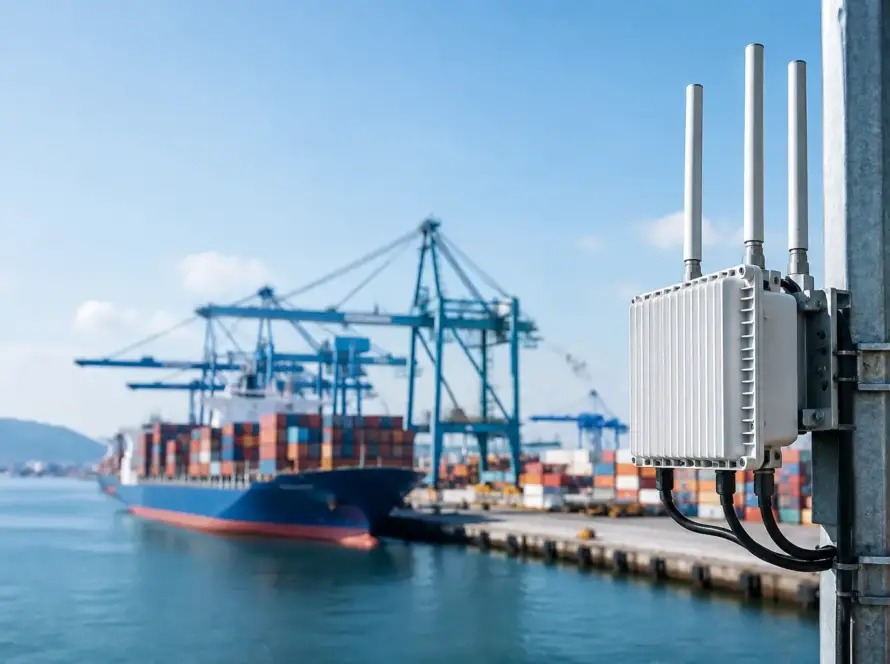
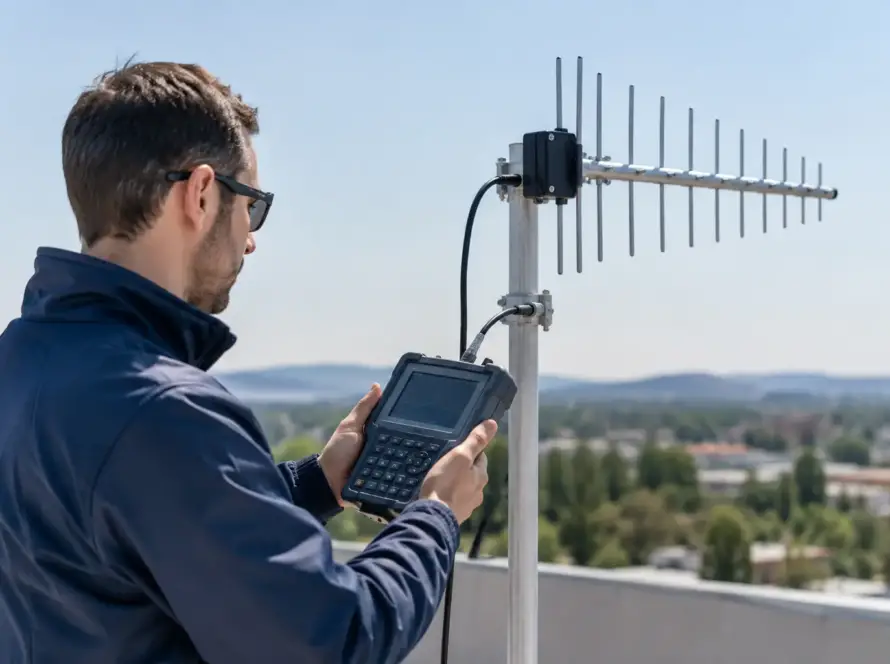
A radio that powers on at the dock but cannot transmit clearly beyond the harbor is not a communications system. For vessel owners, charter operators, workboats, marinas, and waterfront teams, a professional marine radio installation service is about making sure equipment, antennas, power, and operating procedures work together when conditions become demanding.
In the U.S. Virgin Islands, that standard matters. Inter-island travel, changing weather, steep terrain, busy anchorages, and variable cellular coverage can expose weak installations quickly. The right system gives crews a dependable way to coordinate operations, request assistance, receive critical information, and stay connected with shore-based personnel.
What a Marine Radio Installation Service Should Deliver
Marine radio installation is not simply mounting a radio and connecting two wires. System performance depends on the full signal path: the radio, antenna, coaxial cable, power supply, grounding approach, mounting location, accessories, and the way the vessel is used.
A properly planned installation begins with the operating requirement. A recreational vessel that needs dependable safety communications has different needs than a charter fleet coordinating turnarounds, a marine contractor working between islands, or a marina managing dock crews. The best equipment choice is the one that fits the vessel, crew, operating area, and communication workflow without adding unnecessary complexity.
A qualified installer evaluates where the radio will be mounted, whether the display and controls remain usable in rough conditions, how microphones or remote speakers will be heard over engine noise, and how wiring will be protected from vibration, moisture, heat, and abrasion. These details are practical, but they directly affect whether the system is ready when it counts.
Antenna Placement Determines Radio Performance
The antenna is often the most overlooked part of a marine radio system. A high-quality radio cannot compensate for an antenna that is poorly placed, damaged, obstructed, or connected with degraded cable.
Height generally improves line-of-sight radio performance, but placement is not just a matter of putting an antenna at the highest available point. Installers must consider radar equipment, metal structures, other antennas, rigging, access for service, and the cable route back to the radio. The antenna mount must also withstand wind load, vessel movement, and salt exposure.
Coaxial cable deserves the same attention. Sharp bends, loose connectors, water intrusion, and improper terminations can reduce transmit range and receive clarity. A professional installation protects the cable route, seals exterior connections correctly, and tests the system after installation rather than assuming it will perform as intended.
Clean Power Prevents Avoidable Failures
Marine electrical environments can be unforgiving. Voltage drops, poor connections, shared circuits, corrosion, and undersized wiring can cause intermittent radio failures that are difficult to diagnose later.
A reliable installation uses an appropriate dedicated power connection, correctly sized conductors, properly rated overcurrent protection, and secure terminals. Wiring should be routed and supported to avoid chafe, water exposure, and interference with other onboard systems. This is especially important on vessels that operate long hours, use multiple electronic devices, or spend significant time in saltwater conditions.
The goal is straightforward: the radio should receive stable power when the vessel is underway, at anchor, or managing an urgent situation. A clean installation also makes future maintenance faster because technicians can trace circuits and access connections without dismantling unrelated equipment.
Choosing the Right Marine Radio Configuration
There is no single radio configuration that suits every vessel. The decision should start with how communication is actually used, not with a feature list.
For many vessels, a fixed-mount VHF radio provides the core marine communications capability. It is appropriate for vessel-to-vessel communication, calls to marinas or harbormasters, weather information, and safety-related traffic. A handheld radio can provide useful backup and mobility, but it should not automatically be treated as a replacement for a correctly installed fixed unit with a properly located antenna.
Some operations also need private communications between crews, dispatch staff, facilities, or vehicles. In those cases, a separate two-way radio system or Push-to-Talk over Cellular solution may be appropriate. These systems can support operational coordination beyond the range of a conventional marine radio, but they depend on coverage, system design, and the organization’s specific workflow. They should complement, not confuse, the vessel’s primary safety communications plan.
For larger vessels or more complex operations, integration may be needed with GPS, charting equipment, alarm systems, remote speakers, or multiple communication positions. Each connection should be planned for compatibility and usability. Adding features only helps when the crew understands them and can use them without hesitation.
Installation Decisions That Affect Day-to-Day Operations
The most effective installations account for real crew behavior. If the microphone is difficult to reach, the speaker cannot be heard, or the controls are obscured by glare, the radio may be technically installed but operationally weak.
Mounting location should allow the operator to use the radio safely from the normal helm position. It should remain visible and accessible without blocking navigation instruments or creating an obstruction. External speakers may be needed where engine noise, wind, or open-air helm stations make built-in audio difficult to hear. On working vessels, a remote microphone can be useful when crew members need communication access away from the main console.
Water resistance ratings also need to be considered realistically. A radio installed inside a protected cabin faces different exposure than one mounted at an open center console. Even equipment designed for marine use benefits from thoughtful placement, protected wiring, and regular inspection. Salt spray finds weak points over time.
Testing Is Part of the Installation, Not an Optional Extra
A radio system should be tested after installation under conditions that reflect its intended use. That includes confirming transmit and receive operation, audio clarity, channel access, power stability, antenna performance, and any integrated functions.
Testing should also verify that the vessel’s crew can operate the system. A quick handoff without basic orientation can leave useful features unused and critical procedures unclear. Personnel should know where the radio’s power protection is located, how to select the required channels, how to adjust volume and squelch, and how to use designated emergency functions when applicable.
For commercial and multi-vessel operations, consistent channel plans and naming conventions reduce confusion. When every captain, dock attendant, and operations manager uses different practices, communication breaks down even if the equipment is functioning correctly. A service provider can help establish a practical operating standard that fits the organization.
Maintenance Protects the Original Investment
Marine electronics are exposed to salt, humidity, heat, vibration, and physical wear. An installation that was dependable on day one can lose performance if connectors corrode, mounts loosen, cable jackets crack, or power terminals degrade.
Routine inspection should include the antenna mount, coaxial cable, exterior connectors, microphone cord, speaker performance, power connections, and radio display. Any signs of corrosion, moisture intrusion, intermittent audio, reduced range, or unexplained resets should be addressed early. Waiting until a radio fails during an operational issue is rarely the economical option.
Maintenance also provides an opportunity to confirm that the system still fits the operation. A vessel may add routes, crew, onboard electronics, or shore-side coordination requirements over time. The communications plan should evolve with those changes.
Local Support Makes a Measurable Difference
Marine radio service is most valuable when the provider understands the operating environment. Island geography, weather exposure, local travel patterns, vessel access, and the practical realities of getting equipment serviced all influence the right recommendation.
Cwave Communications, an authorized Hytera dealer, supports communications planning, installation, repair, and lifecycle service for organizations that need dependable connectivity across Saint Thomas, Saint John, and Saint Croix. For maritime customers, the focus is not on selling unnecessary equipment. It is on building a system that is appropriate for the vessel and remains supportable after installation.
Before scheduling work, prepare a clear picture of where the vessel operates, who needs to communicate, which devices are already onboard, and what communication problems you are trying to solve. That information turns a marine radio installation from a hardware purchase into a dependable operational asset.