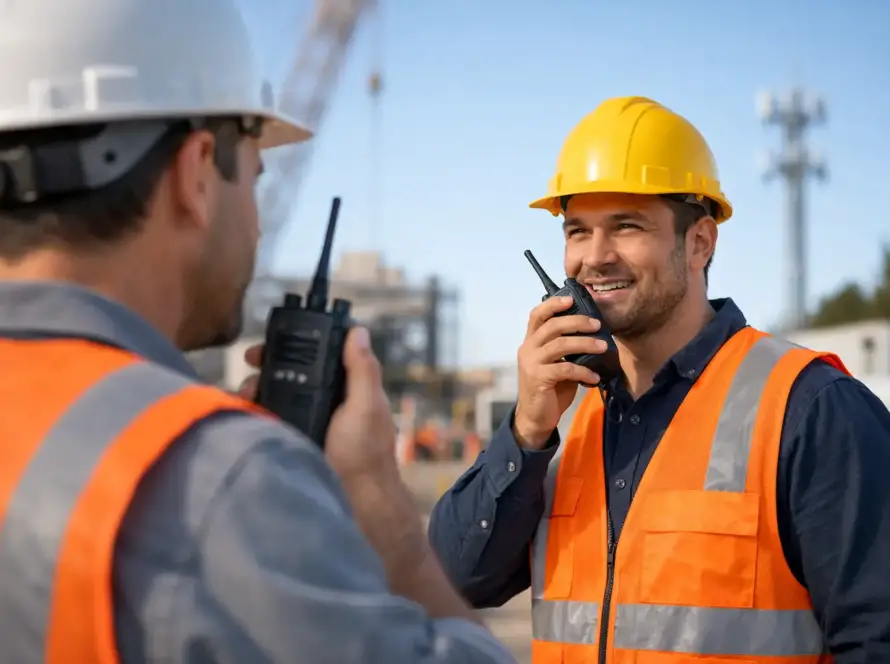
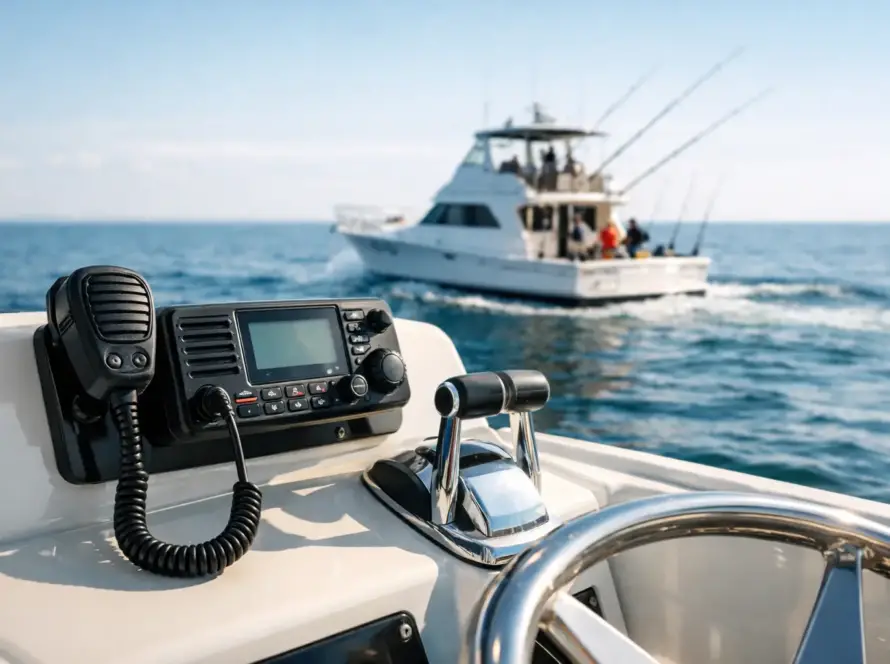
A missed call between a dock crew, a maintenance vehicle, and a supervisor can delay more than a task. In the U.S. Virgin Islands, it can affect vessel movements, worker safety, customer service, and an entire day’s schedule. The practical value of Hytera radio dealer benefits is not simply access to radio equipment. It is having the right system designed, programmed, maintained, and supported for the way your organization actually operates.
A two-way radio purchase may look straightforward until coverage drops behind a hillside, a team expands to another island, or several departments need distinct call groups without hearing each other’s traffic. An authorized dealer helps turn Hytera DMR, analog, and Push-to-Talk over Cellular solutions into a working communications program rather than a collection of handheld devices.
What Hytera Radio Dealer Benefits Mean in Practice
The strongest dealer relationship begins before equipment is selected. A qualified dealer asks operational questions: Where do teams work? What buildings, shorelines, roads, or open-water areas matter? How many people need to communicate at once? Are calls routine, safety-sensitive, or both? Do managers need visibility across separate locations? Those answers determine whether conventional analog, digital mobile radio, PoC, or a blended approach makes sense.
This is especially relevant across Saint Thomas, Saint John, and Saint Croix, where elevation, building construction, marine activity, and distance between work sites can change the communication requirement quickly. A radio model with sufficient performance on paper is not automatically the right solution in the field. Coverage objectives, antenna placement, accessories, vehicle installation, and programming all affect the result.
Authorized dealer support also helps organizations source genuine equipment and compatible components while keeping system configuration consistent. That matters when radios are added over time. A new unit should join the existing fleet with the correct channels, talk groups, emergency settings, labels, and security parameters, not introduce confusion during a busy shift.
Better System Design, Not Just Better Hardware
Hytera offers multiple communications paths because no single platform is ideal for every organization. DMR can provide dedicated local radio communications with clear group calling and scalable system options. Analog may remain appropriate for a smaller operation with an existing fleet or simple coverage needs. PoC extends communications through cellular and Wi-Fi networks, making it useful for organizations that need broad geographic reach and dispatch visibility without building radio infrastructure at every location.
The trade-off is straightforward. Traditional radio systems can provide strong local control and predictable performance within their engineered coverage area, but they require thoughtful planning, appropriate frequencies, and infrastructure where needed. PoC can connect personnel across islands or wider regions when network coverage is available, but its performance depends on cellular or Wi-Fi availability. Some organizations benefit most from a mixed environment, using radio for primary on-site communications and PoC for supervisors, mobile managers, or geographically distributed teams.
A dealer’s role is to explain these choices in operational terms. Rather than leading with features, the discussion should center on how crews communicate during normal work, how they communicate when conditions change, and what continuity looks like if one path is unavailable.
Programming Protects Clarity and Accountability
Programming is one of the most overlooked parts of a radio deployment. A well-organized channel plan separates routine operations from maintenance, security, management, and emergency traffic. It can limit unnecessary chatter while preserving the ability to reach the right group quickly.
For a marina, this may mean distinct communications for dock operations, facilities, and management. For a property or infrastructure team, it may mean separate groups for field crews, dispatch, and after-hours support. The exact structure depends on personnel, workflow, and who needs to hear what. Overcomplicating the radio menu is a real risk, particularly for occasional users. The best configuration is usually clear enough to use under pressure without sacrificing the controls the organization needs.
A dealer can also maintain configuration records, apply consistent naming, and manage changes as personnel or sites evolve. This reduces the common problem of radios that appear identical but behave differently because they were programmed at different times by different parties.
Local Testing Produces More Useful Coverage Decisions
Coverage maps and general specifications are useful planning tools, but they should not be treated as guarantees. Concrete structures, metal roofs, dense hillside development, weather conditions, and terrain can affect signal behavior. Maritime operations add another layer of complexity because movement, distance from shore, and vessel construction can influence communications.
A dealer with regional experience can conduct site assessments and field testing to identify likely weak areas before an organization commits to a full rollout. The result may be a recommendation for a repeater, a different antenna location, vehicle-mounted equipment, additional accessories, or a PoC option for personnel traveling beyond radio coverage.
This approach can prevent both underbuilding and overbuilding. A small team working within a compact facility may not need a complex system. A multi-site operation with staff moving between islands may require more than handheld radios alone. The right answer depends on the operational footprint, the consequence of a missed call, and the level of resilience the organization expects.
Faster Support When Equipment Needs Attention
Radios are exposed to salt air, moisture, vibration, drops, charging issues, and daily wear. Even well-built equipment needs inspection and service over time. One of the most practical Hytera radio dealer benefits is access to a support partner that understands both the equipment and the organization’s configuration.
When a radio fails, the useful question is not only whether it can be repaired. It is whether the replacement or repaired unit can return to service with the correct programming, accessories, and documented settings. Local troubleshooting can also distinguish between a radio fault, battery issue, antenna problem, coverage limitation, or user configuration error. Treating every communication issue as a device failure can waste time and lead to the wrong fix.
Lifecycle support should include repair coordination, programming updates, battery and accessory planning, and periodic review of the fleet. For larger deployments, spare-radio planning can keep operations moving while equipment is being serviced. The appropriate number of spares depends on fleet size, criticality, and how quickly a replacement is needed.
Support for Compliance and System Growth
Organizations using licensed radio frequencies must operate within applicable FCC requirements. A dealer can help customers understand the technical and administrative steps involved in selecting and deploying a compliant system, including frequency coordination needs where applicable. This is not a paperwork detail. Proper frequency planning helps reduce interference and supports reliable operations.
Growth also deserves attention early. A business may begin with ten radios at one location and later add vehicles, a second property, a dispatch function, or teams working on another island. Selecting a system with a sensible expansion path can reduce disruption later. That does not always mean purchasing the largest possible system on day one. It means designing with clear assumptions about what may change.
For example, a fleet may need additional talk groups and user capacity, while another organization may need stronger coverage in a new building. These are different problems with different solutions. A dealer can help evaluate the change without forcing a complete replacement of equipment that still serves the operation well.
A Communications Partner Should Be Accountable After Installation
The real test of a communications provider begins after the radios are distributed. Teams need someone who can answer questions, adjust settings, repair equipment, and recommend improvements based on actual field use. They also need practical guidance, not unnecessary complexity.
Cwave Communications brings that service model to Hytera deployments throughout the U.S. Virgin Islands, combining radio expertise with network, infrastructure, and lifecycle support. For organizations that depend on reliable communication, the goal is simple: give every team a system they can use confidently when the work is moving, the weather changes, or the next call cannot wait.
Choose a dealer based on the quality of its assessment, its ability to support the system after installation, and its understanding of your operating environment. The radio is only one part of the solution. The lasting value comes from knowing it will be ready when your people need it.